Behind the Scenes of BIMA’s Treasure Trek!

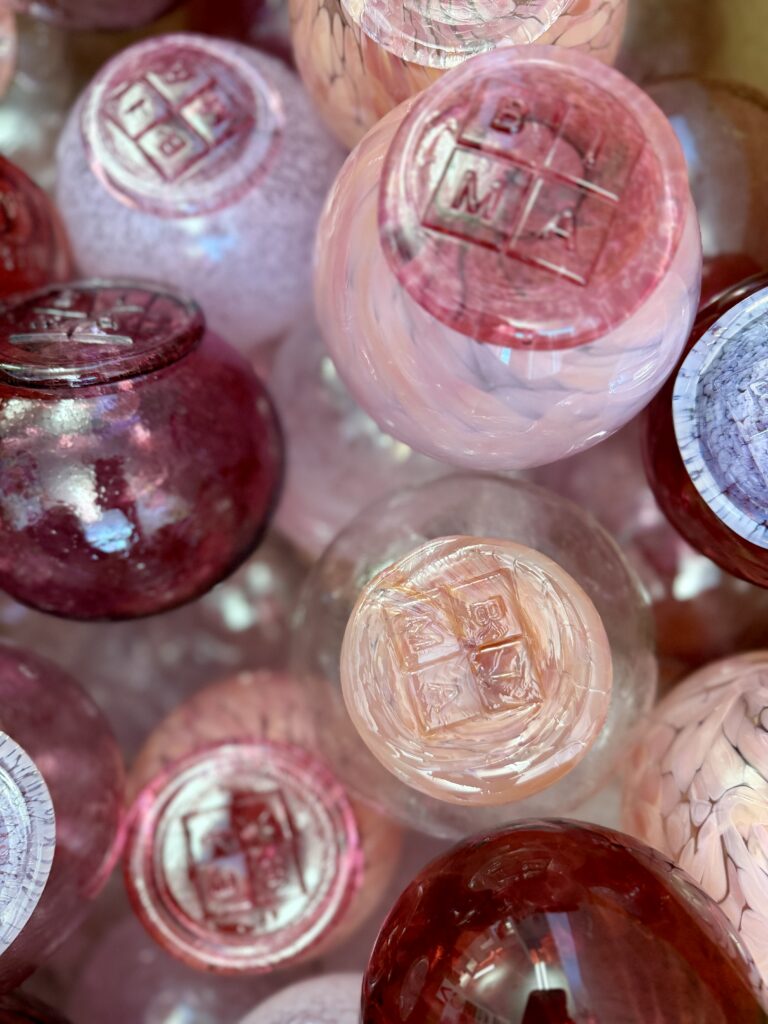
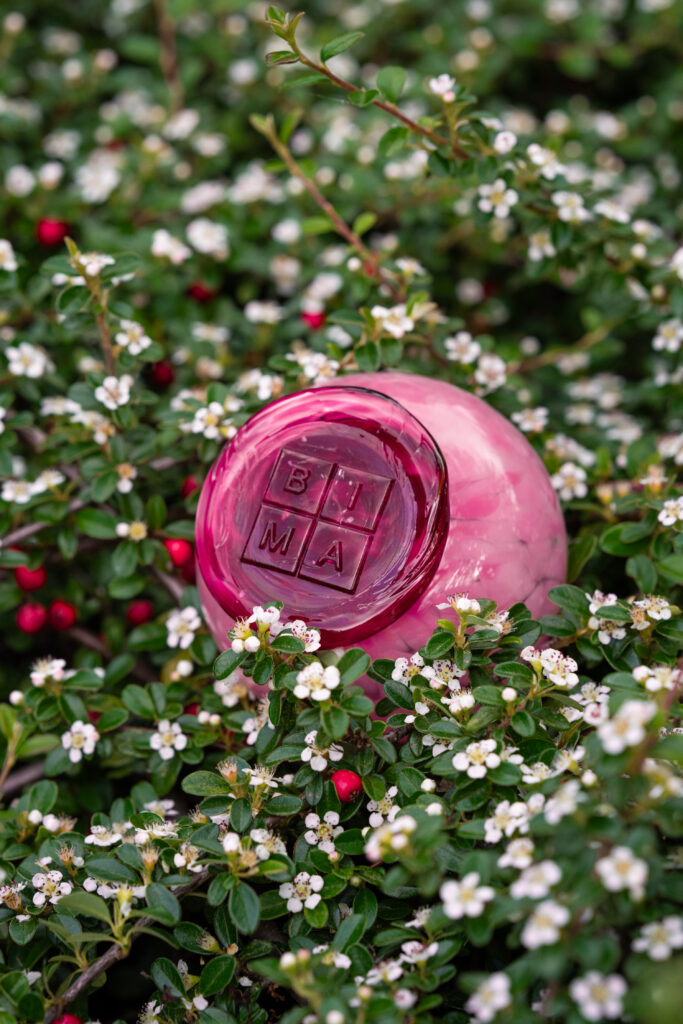
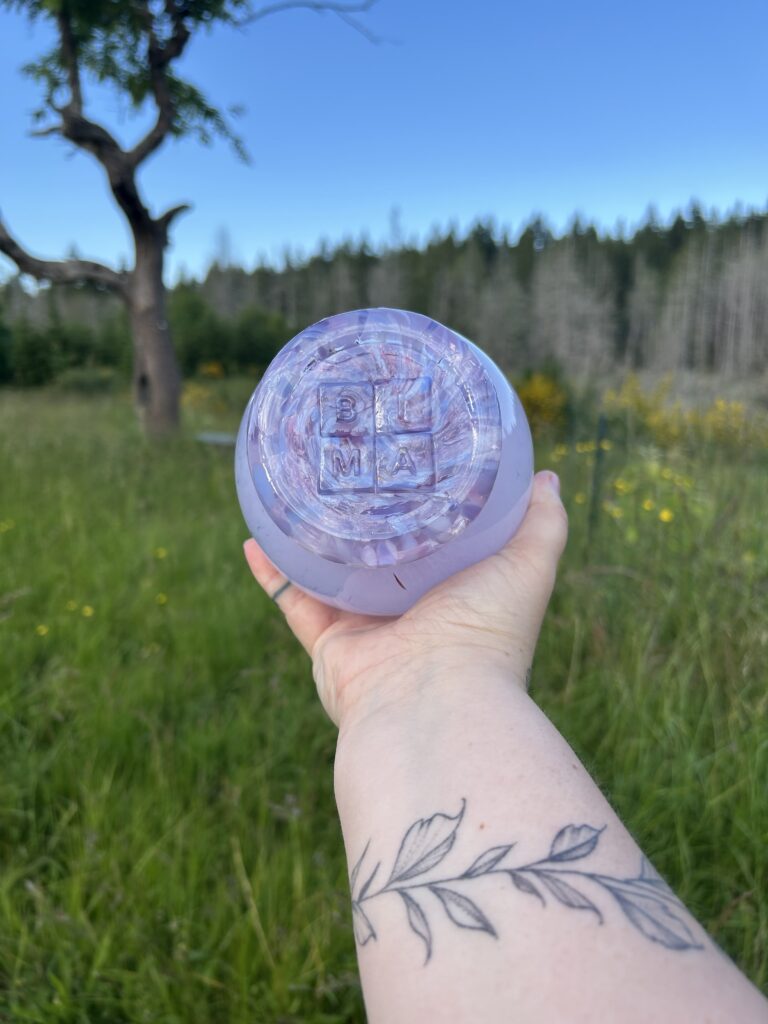
Before you find a glass orb hidden during Treasure Trek, many hours and many hands have already been at work to get that single orb there.

If you haven’t participated in Treasure Trek before, its BIMA’s annual glass float seek and keep, where 200 handmade orbs are hidden across Kitsap County for you to discover. Treasure Trek has been an event that perfectly fuses our values together: it supports local makers at Hilltop Artists, it makes art accessible to all, it infuses art into everyday lives, and it celebrates our beloved Kitsap community!

Ever since the first orb hit the trails, we’ve loved bringing this event to life and wanted to give you a sneak peek into what it takes to make it a reality:

Planning

Like every good event, the planning begins far in advance. From picking the color (always a lively debate on staff) and swearing to secrecy on that color, to connecting with park services and picking safe public lands for the hunt, each one of these early steps builds the foundation needed for a successful Treasure Trek. This includes coordinating with Hilltop Artists!

PREP

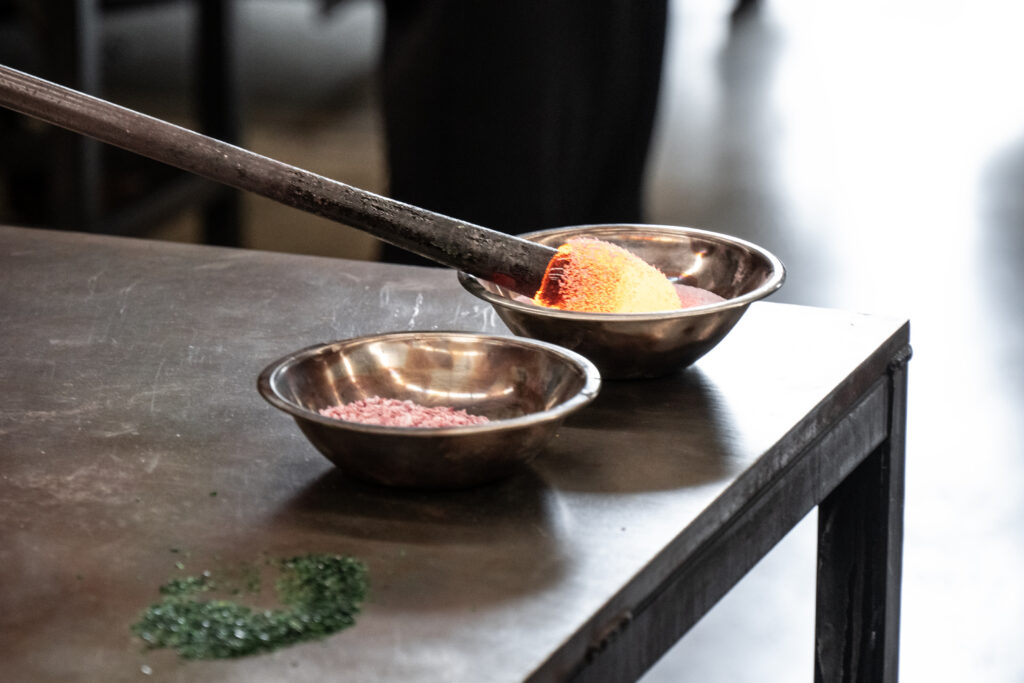
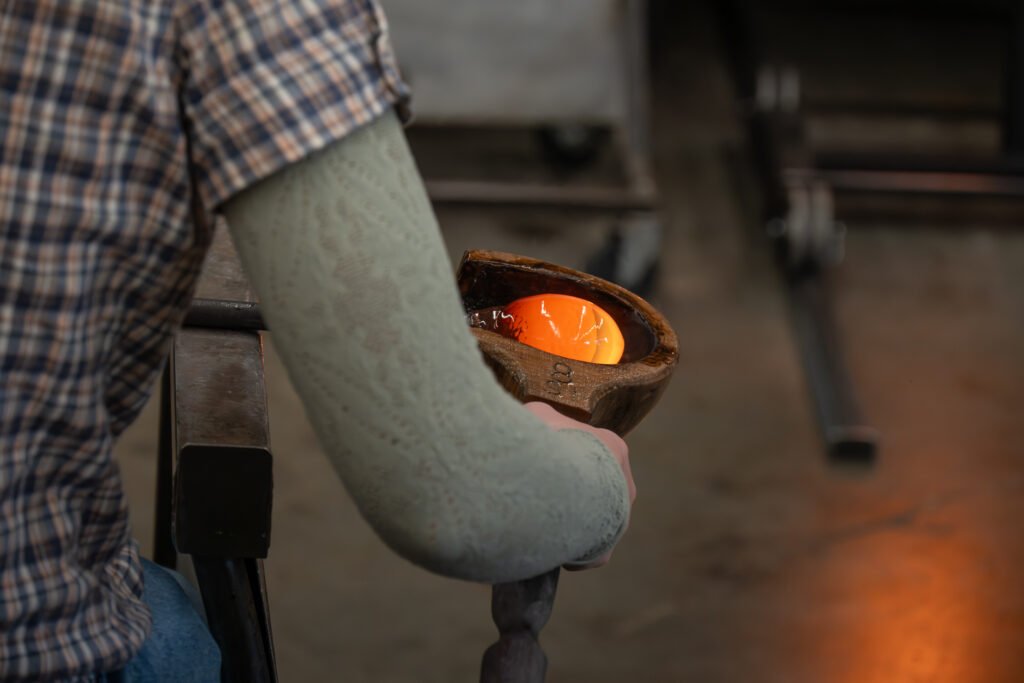
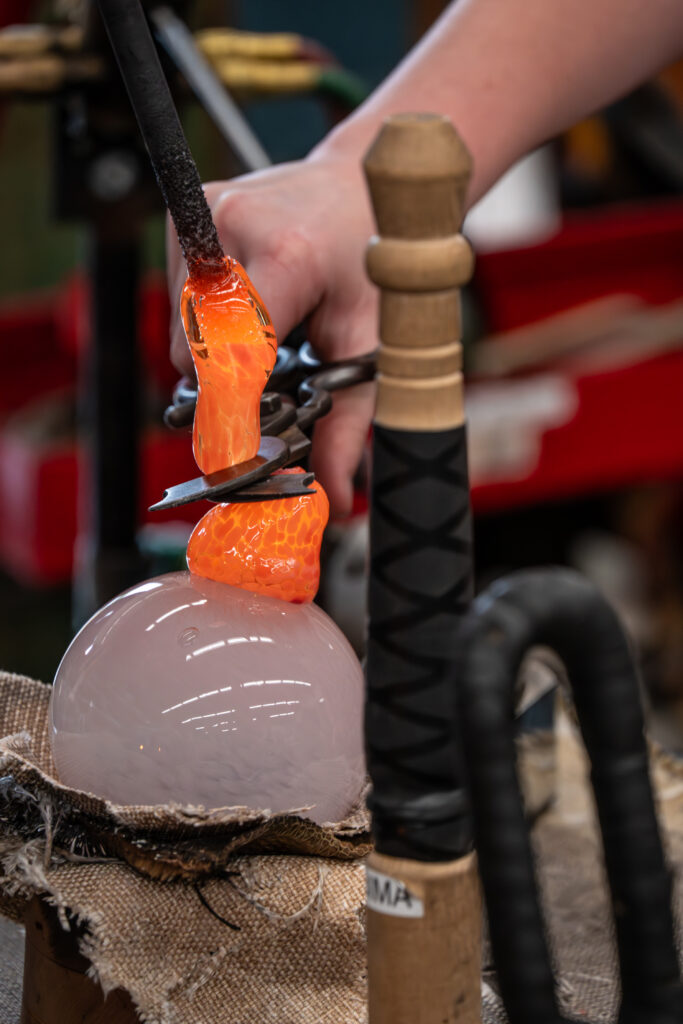
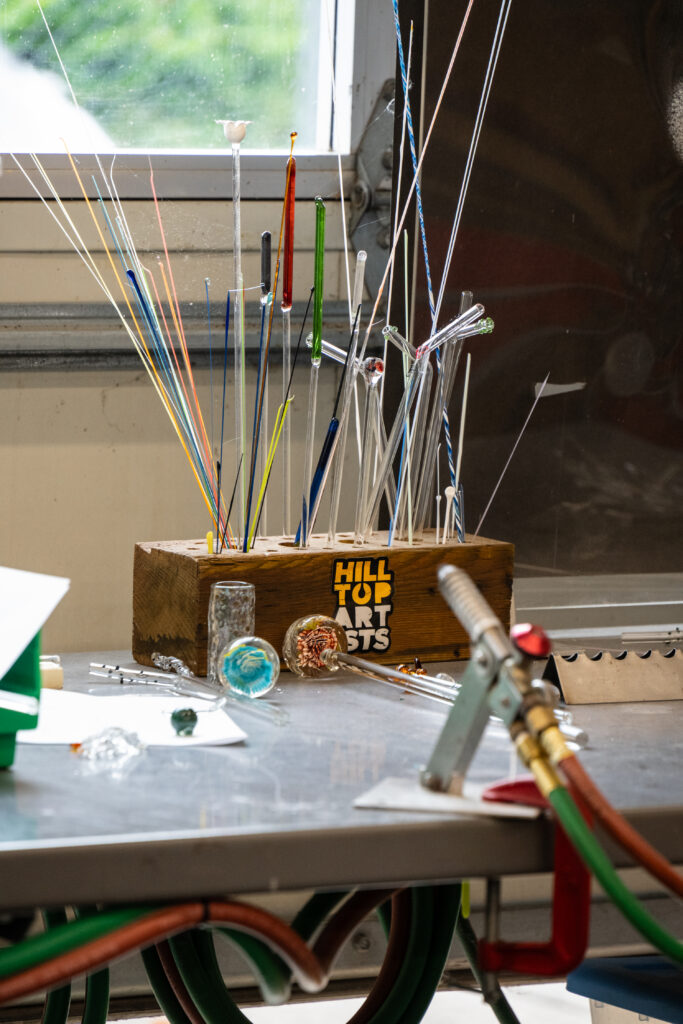
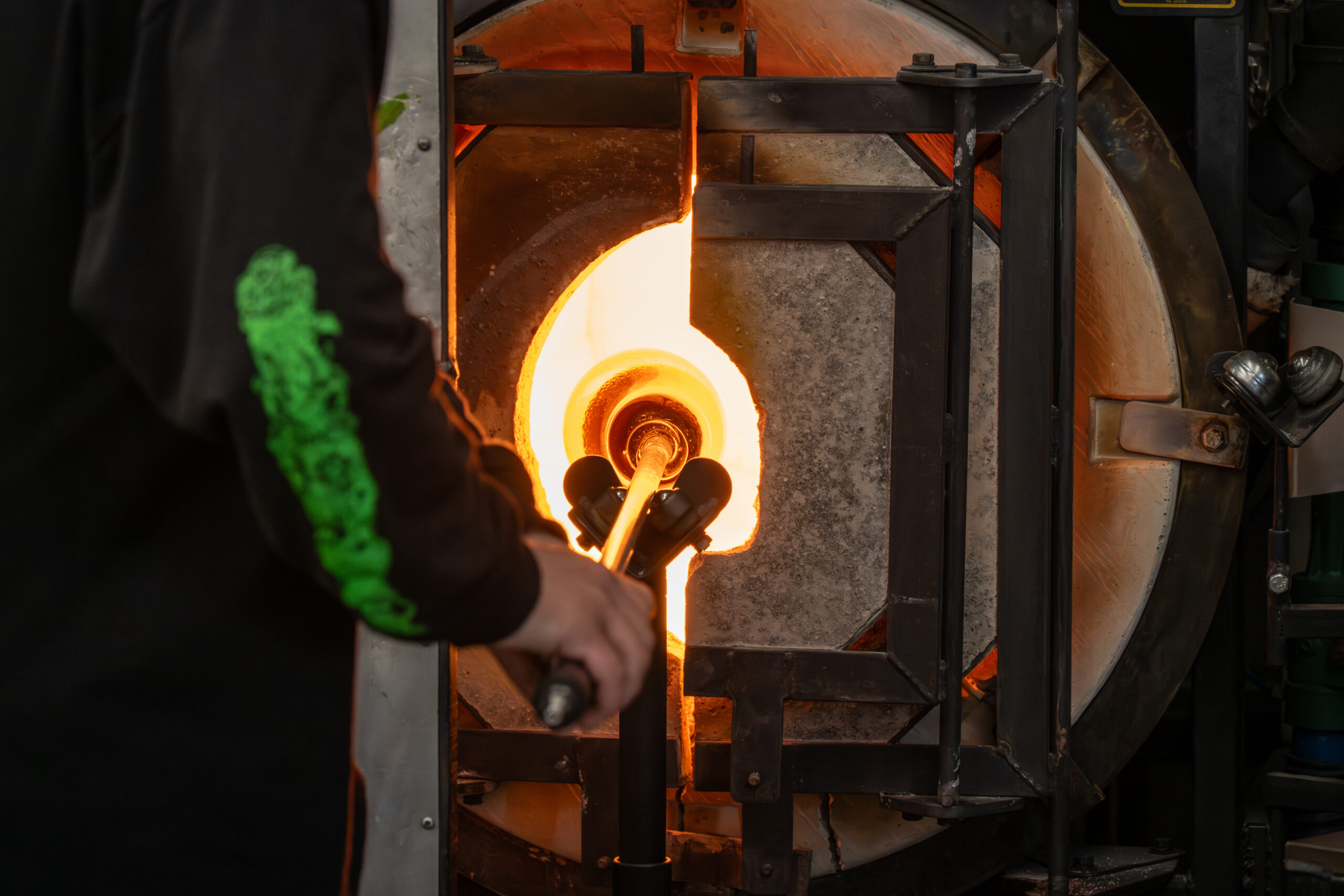
While we train and coordinate staff and volunteers on the hiding process, Hilltop Artists are in the heat of it all–literally!

Hilltop Artists is a youth development nonprofit that, since 1994, has served thousands of students through programming, providing tuition-free glass instruction, mentorship, and collaborative leadership opportunities. It’s in their hot shop in Tacoma that the 200 glass orbs are blown! Students handmake every orb, meaning that each one is truly unique and entirely its own.

Step into the hot shop with us:

LAUNCH

The orbs get picked up from Hilltop, are organized, and are distributed to our hiders who go into incognito mode as they carefully hide the orbs across Kitsap throughout June. We spend the month coordinating drops and loving all the fun we see when you post your finds and tag us!

Treasure Trek is such a special time of year for us–we love getting out into our local Kitsap community and spreading art far and wide! This year is especially meaningful because it’s also our year of craft at BIMA. As part of Handwork 2026, we are honoring the handmade through multiple exhibitions, programming, and events. And since every Treasure Trek orb is handmade by a Hilltop student, the Trek connects perfectly into this yearlong celebration.

Whether you’re a first time hunter or seasoned trekker, brush up on our Dos and Don’ts of Treasure Trek on our blog and happy hunting!

Get Ready for BIMA’s Treasure Trek: Your Complete Guide to Finding Glass Floats

Summer is almost here and that means one thing—BIMA’s Treasure Trek is back! This year, 200 unique hand-blown glass floats will be hidden across public lands in Kitsap County. Each float is a tiny work of art inspired by Japanese fishing net floats and created by talented youth at Hilltop Artists, a Tacoma-based nonprofit.

Treasure Trek is all about adventure, exploration, and a little bit of luck. It’s a you-find-it, you-keep-it scavenger hunt for art lovers of all ages. Each float is carefully hidden, never on private property or in unsafe areas, so you can enjoy your hunt while staying safe. Whether you are a seasoned explorer or just looking for a fun outdoor activity, Treasure Trek is the perfect way to enjoy summer, discover new parks, and find a little magic along the way.

To make sure everyone has fun and stays safe, we’ve put together a complete guide. From Do’s and Don’ts to FAQs, here’s everything you need to know before you hit the trails!

Do’s for Treasure Trek

Do take your time and enjoy the hunt

Finding a float is more about observation than speed. Walk the trails, take in the scenery, and let your eyes wander. Floats could be tucked behind a log, sitting in a bush, or resting on a tree branch. Paying attention to details not only helps you spot floats but also makes the experience more rewarding.

Do share your find

Part of the fun is sharing the excitement. Snap a photo of your float and post it to Instagram with #BIMATreasureTrek and tag @bimuseum.of.art. You can also email your photo to treasuretrek@biartmuseum.org. Sharing your discovery helps inspire others to get outside and explore and keeps the BIMA community connected.

Do handle floats with care

These floats are delicate, hand-blown works of art. Pick them up gently and avoid tossing or dropping them. Treat them like a tiny treasure—you can admire them, display them at home, or photograph them for friends and family. As a reminder, we are unable to replace broken floats, so be careful with yours!

Do keep it fair

If you find more than one float, take only one for your household. Leave the others where you found them or take a photo and return it. This ensures other people get a chance to enjoy the hunt too. Treasure Trek is about community as much as discovery, so sharing the fun is part of the adventure.

Don’ts for Treasure Trek

Don’t go off-trail or enter private property

All floats are hidden on public land directly next to trails or on public park property, so there’s no need to leave the marked paths. Trespassing or cutting through off-limit areas puts you and the environment at risk. Stick to trails and beaches and enjoy the hunt in spaces designed for public use.

Don’t take more than one float

Only one float per household ensures everyone has a fair chance to find one. Taking multiple floats diminishes the fun for others. If you stumble on an extra, leave it where it is so the next seeker can enjoy the discovery.

Don’t move a float from where it was found

Re-hiding floats can confuse other participants and BIMA volunteers. If you find a float and want to continue hunting, either leave your first one in it’s original hiding place!!  This keeps the hunt fair and fun for everyone!

Don’t disturb wildlife or sensitive areas

Floats are never hidden in wetlands or fragile ecosystems. Stay on the trails, watch where you step, and avoid disturbing plants and animals. Respecting the environment ensures parks stay beautiful and accessible for everyone.

Don’t follow volunteers hiding floats

Volunteers hide the floats in advance to make the experience fun for all. Following them spoils the surprise and isn’t safe. Part of the excitement is discovering the floats on your own, so let the volunteers do their work and enjoy the hunt naturally.

Don’t put yourself in unsafe situations

Floats are always within reach from safe paths. Don’t venture into water, climb steep slopes, rocks, or trees to grab one. Your safety is the top priority. Treasure Trek is meant to be fun and accessible, so keeping your feet on solid ground ensures every adventure ends with a smile.

Treasure Trek FAQs

How do I know when a new float drop happens?
New floats are hidden throughout June. Follow BIMA on Instagram or check the website for announcements, but keep in mind that volunteers hide floats continuously, so not every drop is announced immediately. Please be patient with our staff, as every person hiding floats is volunteering their time!

Are floats numbered or unique in any way?
Yes, every float is hand-blown, stamped with BIMA’s logo, and have a number sticker with instructions. Each is unique, so every find is a one-of-a-kind treasure.

Do I need to sign up or register to participate?
No registration is required. Treasure Trek is open to anyone ready to explore Kitsap County parks and public lands.

Can I bring kids or pets?
Absolutely. Kids love the hunt, and pets can join if the parks allow (check the park’s website to see if pets are allowed). Keep in mind one float per person, including children.

What if I find a float but can’t take it home?
You can leave it in its spot for the next hunter or snap a photo to share online. Every float can bring joy even if you can’t physically keep it.

Can I participate if I live outside Kitsap County?
Yes! Treasure Trek is open to anyone who wants to explore the parks and try their luck. The more eyes looking, the more fun for everyone.

What should I do if a float is broken or damaged?
Leave broken floats where you found them. Volunteers will collect them at the end of the month. Don’t attempt to repair or move broken floats. Floats are not replaceable, so if you break yours after you have it home, we are unable to repair or replace it.

Can I help hide floats?
Our volunteers have it covered!

Thank you to Parks Tacoma for the wonderful inspiration for our blog post! Read their post on Monkeyshine here!

Thank you for 10 amazing years, Sheila!

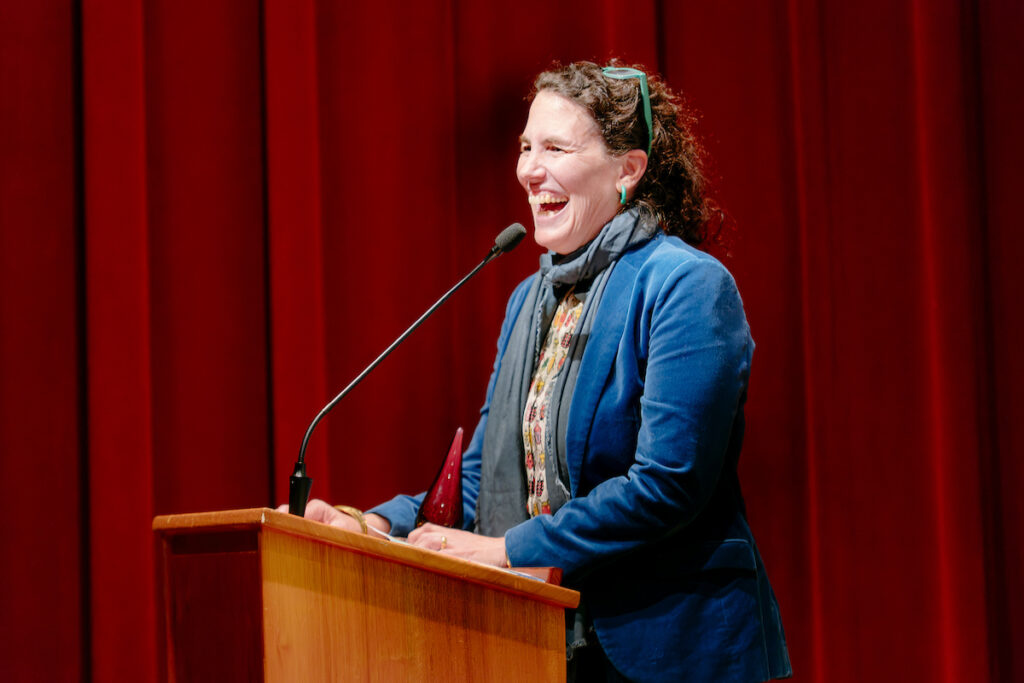
After ten years of service to Bainbridge Island Museum of Art (BIMA) as Executive Director, Sheila Hughes has announced her departure effective June 20, 2026, marking ten years of deeply committed and transformative leadership.

Portrait of Sheila Hughes

Since joining BIMA in 2016, Hughes has led the museum to new levels of sustainability, visibility, and service through thoughtful artistic and programmatic growth. Her devotion to the mission fueled BIMA’s commitments to diversity, community engagement, and the cultivation of meaningful partnerships, while helping place the museum on the national stage. Community partner and leader Akuyea Karen Vargas remarked that Sheila “… moved art to a whole new level. She broke down barriers and built a whole new community where we can come together, across diverse cultures, to celebrate the heart of unity through the arts.”

She also elevated the Cynthia Sears Artists’ Books Collection, supporting its recognition as an internationally significant resource and anchoring BIMA’s leadership in the field of artists’ books. 

“Of particular strategic importance is her role securing the promised gift of the Cynthia Sears Artists’ Books Collection and its related programs—an organization-changing development for BIMA, which is unique among museums across our country,” Chief Curator Greg Robinson emphasized. “As BIMA continues the years-long effort to build an Endowment Fund to help offset operational costs, we have Sheila Hughes to thank for crafting so many critical building blocks for BIMA’s future success.”
Throughout her tenure, Hughes brought a genuine sense of wonder and joy to the museum. Her decades of arts and spectacle experience, including executive positions at One Reel, Bumbershoot, Teatro ZinZanni, WOMAD, Summer Nights at the Pier, Gage Academy of Art, and Icicle Creek Center for the Arts, helped shape an artistically adventurous and public-centered philosophy at BIMA. Under her direction, BIMA built and produced one of the richest arrays of community and cultural events in the Puget Sound region. She spearheaded the BRAVA Awards, putting unrestricted gifts of $15,000 each in the hands of four working artists each year, launched the one-of-a-kind DogEar Festival in celebration of artists’ books, and was instrumental in creating the Within/Earshot Jazz Festival at BIMA. These initiatives cross-pollinated new audiences while keeping artists and their work at the center of every decision. She also remained a steadfast champion of accessibility, working to ensure that museum admissions remain free, as it has since the museum opened more than twelve years ago.

Reflecting on her time at BIMA, Hughes shared her gratitude for the community and people who made the work possible:

“What a gift it’s been to be trusted with this exceptional organization – and to discover the constellation of artists, activists, supporters, staff, volunteers, and community groups who want to shape and immerse themselves in this vibrant, lively, warm, and wonderful incubator of art and ideas. The work has been so deeply collaborative and imaginative – and cultivated hope even in these dark and challenging times. I once called BIMA a gateway drug to joy – it really is that powerful and transformative – and I can’t think of anything this world might need more right now.”

Equally defining was Hughes’ care for people and culture. She built an exemplary, diverse staff, closely partnered with BIMA’s Board of Directors, hired team members who shared BIMA’s values, and fostered authentic relationships with artists and partners across the Puget Sound region. “She represents the best interests and objectives of the museum, and manages to inspire those who work with her to do their very best as well, and make their own deep commitment to BIMA’s well-being,” said museum founder Cynthia Sears. 

During the global COVID-19 pandemic, Sheila worked tirelessly to keep her entire staff of 40 employed, scrambled to fundraise even with the doors closed, and emerged with an organization that was stronger in the implementation of its mission, vision, and values. Known for empowering her team with autonomy and confidence, Sheila worked to create a workplace where ideas are valued and innovation is encouraged. Working with the Board of Directors, Hughes helped establish best practices in operations, management, and fundraising, while also leading quieter but equally critical efforts, including expanding the BIMA campus with off-site office and storage facilities, launching an endowment campaign, and consistently delivering a balanced budget.

Suzanna Darcy, President of BIMA’s Board of Directors, expressed heartfelt appreciation for Hughes’ leadership and the foundation she leaves behind, saying, “Sheila Hughes is the whole package and a Board Chair’s dream. Sheila is smart, insightful, inspiring, creative, and financially astutea unique combination of skills and heart. BIMA’s Board of Directors so appreciates what she has brought to the museum as Executive Directorand as a personand we wish her as exciting a new chapter as the one she is finishing.” 

Hughes will remain in her role through June 20, 2026, supporting a thoughtful transition to a new Executive. Additional information about the search and transition process will be shared in the coming weeks.

Bainbridge Island Museum of Art extends its deepest thanks to Sheila Hughes for her extraordinary contributions, lasting impact, and unwavering belief in the power of art and the power it has to build and connect community.
Cynthia Sears, Museum Founder

“When I first dreamed of an art museum on Bainbridge Island, I fantasized that we might find an executive director who would guide it with dedication, grace, and clarity of vision. Sheila is that dream come true. She represents the best interests and objectives of the museum, and manages to inspire those who work with her to do their very best as well, and make their own deep commitment to BIMA’s well-being. She is also a wonderful friend and makes the best pies in the world.”

Dana Quitslund, current Board of Directors:

“Sheila has been the ideal Executive Director, in part because she’s remarkably skilled in so many areas–she manages people, finances, and a very ambitious set of programs so well.  She led our way through the pandemic years, making pivot after pivot and keeping BIMA on a financially sustainable path.  Years before joining the board, I was drawn to BIMA because it felt alive and had such high standards; these were part of the culture Sheila inspired in her team. Still, what I love most about her tenure here is her moral leadership: she inspires the board, staff, and BIMA’s many supporters to hold up art and artists in all their diversity, to welcome all to our museum, and to build close relationships with people and organizations in the region we serve.  She inspires us to think of the future and the critically important connections we share.”

Ralph Siegel, past Board President & current Board of Directors:

“I have served on the boards of more than a dozen not- for-profit organizations ranging from arts organizations to social services providers and to civic enterprises… And never have I had the privilege of working with any Executive Director who brings such a broad range of skills and talents to bear. Not only did she deliver on our mission of bringing the contemporary art and craft of the Pacific Sound region to the visitors to our museum, but she also excelled in budgeting, operational oversight, strategic planning, and in building a cohesive team of talented people. She was a visionary in establishing BIMA as a community treasure and guided us all through the uncharted waters of managing and growing during a global pandemic. She treated every challenge as an opportunity, and BIMA emerged from each challenge stronger and more effective. She understood and responded to the needs of all of our stakeholders, enhancing our relationships and building important partnerships. Thank you, Sheila, for giving so much of yourself during your time with us. You will be missed.”

Korum Bischoff, BIMA Deputy Director:

“Sheila’s leadership and reputation in the Puget Sound region have shaped multiple generations of arts leaders—mine included. From Bumbershoot to Summer Nights at the Pier, Teatro ZinZanni to the Goodwill Arts Festival, some of the biggest arts events ever to happen in the Pacific Northwest happened because of Sheila, and somehow BIMA was lucky enough to be her home for the last ten years. Anyone who has worked on a project with her knows to buckle up, because she’ll push you beyond your own imagination with her passion, energy, and dedication. She challenges those around her to be better versions of themselves, both professionally and personally. Whether it’s a handmade card with a note tucked inside or a warm apple pie to start a meeting after a hard week, you always know that as much as she cares about the project, she cares even more about the people.”

David Lewis, past Board President & current Board of Directors:

“Sheila is my mentor, my guide, an educator, a source of great pride and joy, all with a good sense of humor. Her passionate commitment to BIMA, its staff, the museum’s donors, members, and visitors, runs deep, beyond the walls of BIMA, inspiring me every day to recognize this remarkable community we call home.”

Liz Walters, past Board President:

“Sheila’s arrival as Executive Director was transformative in the early years of BIMA. Her ability to envision and communicate new opportunities, her commitment to art and justice, and her unflagging habit of rolling up her sleeves to get the really important stuff done, shaped the deep love and respect that BIMA enjoys today.”

Joe Wilcynski, past Board President:

“In my opinion, hiring Sheila as the Executive Director changed the trajectory of the museum. She brought the heart of an artist and the mind of an accountant to the organization. I so loved working with her.”

Mark Levine, past Board President & current Board of Directors:

“I once read that ‘we are all drops of water on the sea of life… but some of them do sparkle,’ and Sheila really does SPARKLE!”

BRAVA Awards: We’re going annual!

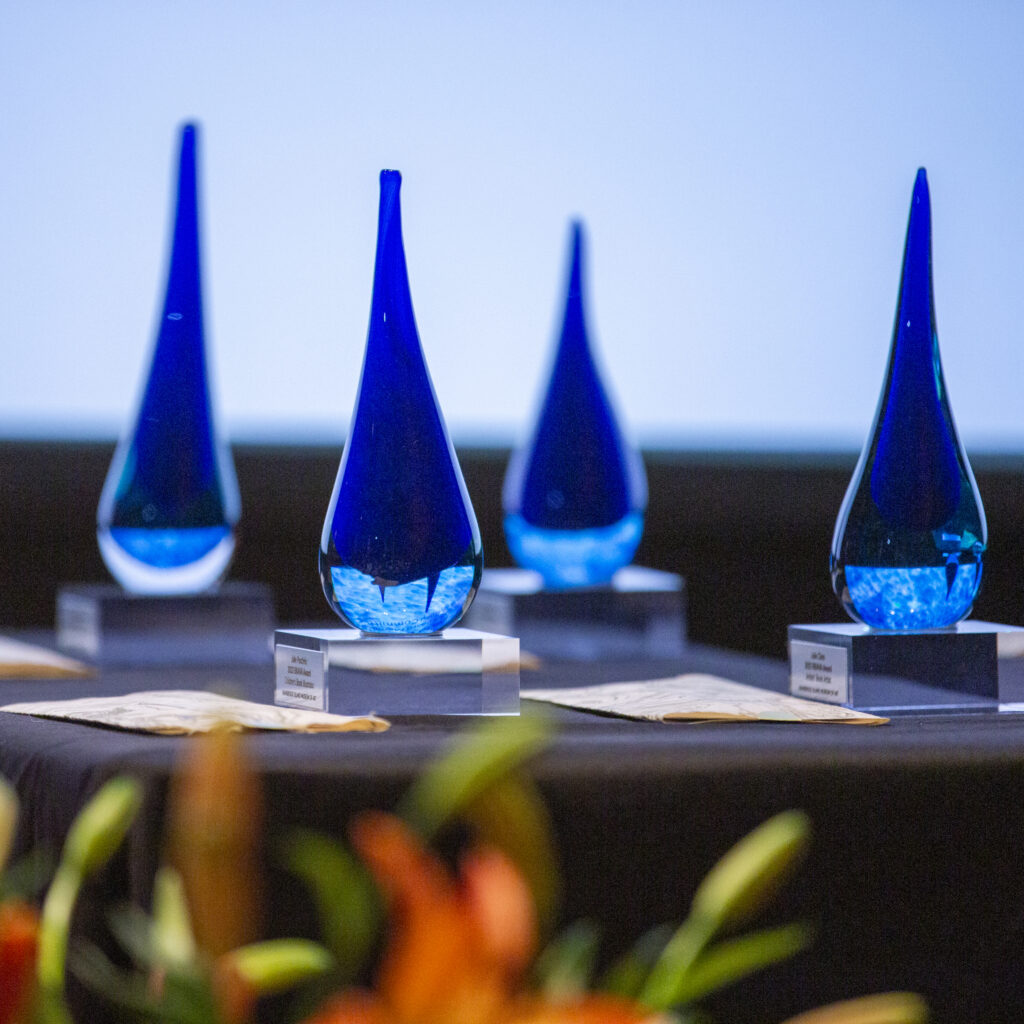
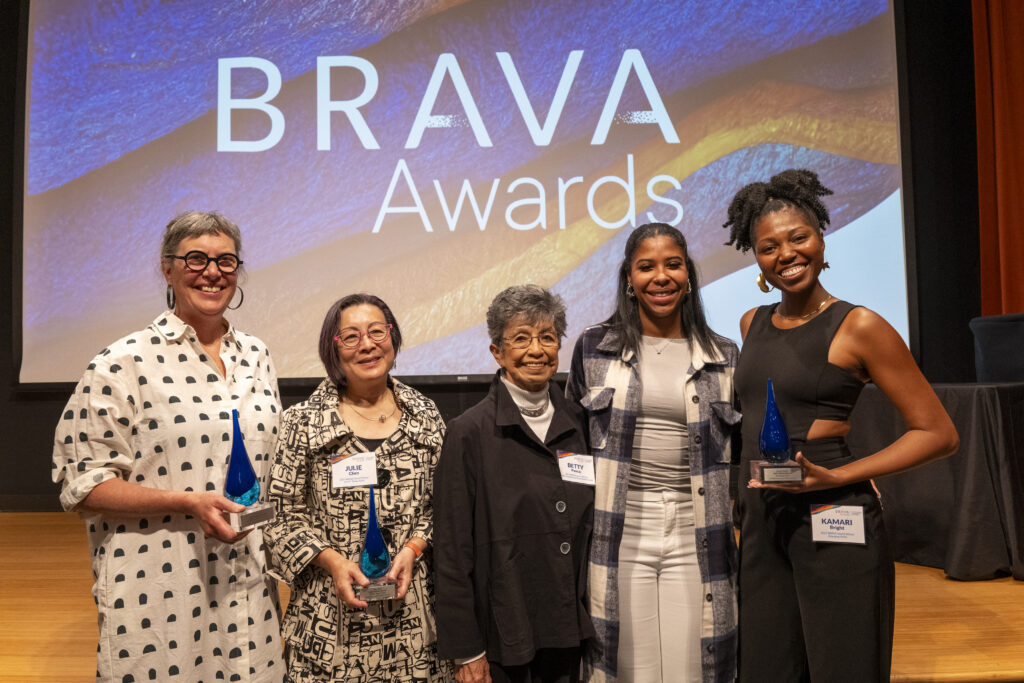
The Bainbridge Island Museum of Art (BIMA) is proud to announce that its flagship awards program, the BRAVA Awards (BIMA Recognizes Achievement in the Visual Arts), is now an annual program beginning in 2026. This expansion from biennial to annual cycle means that twice as many artists will receive one of the four unrestricted $15,000 cash prizes annually—rather than every two years. At $60,000 of unrestricted support per year, BRAVA is now one of the largest artist  awards of its kind in the Northwest. 

Announcing the 2026 BRAVA Awards

Since its launch, the BRAVA Awards have been a cornerstone of BIMA’s commitment to directly supporting contemporary artists, craftspeople, and makers. By moving to an annual cycle, the museum significantly increases the reach and immediacy of its impact, responding to the growing need for meaningful, sustained support for artists.

“BRAVA was created to make a tangible difference in artists’ lives with an unrestricted gift,” said Sheila Hughes, Executive Director of Bainbridge Island Museum of Art. “Thanks to the extraordinary generosity of a special donor who stepped forward to fund this expanded program, we are now able to recognize and give meaningful, material support to artists making exceptional and compelling work. Our hope is that the award serves to inspire these artists, letting them know how valued and appreciated they are, and how much our world needs their voices to resonate.”

Inspired by the values and vision of museum founder Cynthia Sears, the BRAVA Awards honor artists whose work demonstrates artistic excellence, technical mastery, and significant contribution to the arts. Awardees are selected by independent jury committees composed of artists, educators, and leaders in the arts sector, ensuring a rigorous and equitable selection process.

Each year, one artist will be selected in each of the following four categories:

  • Native American & First Nations Artist Award (Salish Sea Region)
  • Artist’s Books Artist Award (National)
  • Emerging Artist Award (Puget Sound Region)
  • Special Choice Award (category varies by year)

Each BRAVA awardee receives an unrestricted $15,000 cash prize, along with professional recognition through museum promotions, a short video profile, and an award ceremony. The program is supported by a dedicated reserve established through a restricted gift to the museum and maintained by BIMA, ensuring long-term sustainability.

Applications for the next cycle of BRAVA Awards will open on April 1, 2026. Full details, including eligibility and application guidelines, are available at https://www.biartmuseum.org/the-brava-awards/.

Learn more about past BRAVA Award recipients:

2023 – Kamari Bright, Julie Chen, Julie Paschkis, Betty Pasco

2025 – Sarah Bryant, Dan Friday, Yolanda Galery, Nikki McClure

BIMA at CODEX: Celebrating Community, Craft, and the Art of the Book

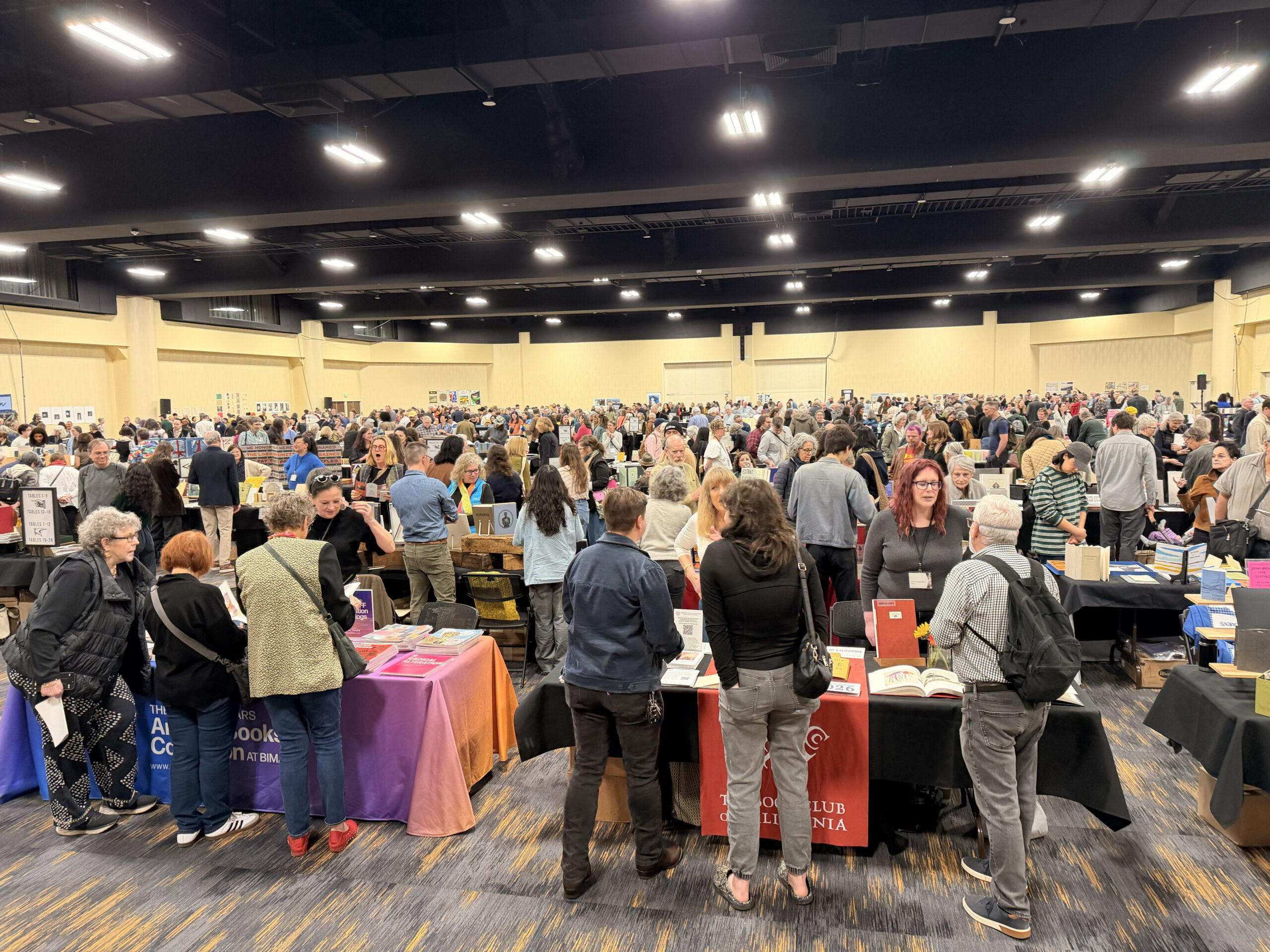
Earlier this month, BIMA travelled to Oakland, CA to take part in the CODEX Book Art Fair & Symposium! We joined artists, collectors, publishers, and book arts enthusiasts from around the world for one of the biggest gatherings dedicated exclusively to artist’s books and fine press work. As proud sponsors of the event, we were honored to support and celebrate a community that shares our deep commitment to book arts.

In the days leading up to the four-day event, we hosted a series of special events that set the tone for connection and collaboration. We welcomed artists and colleagues to a luncheon at Kala Art Institute, where guests enjoyed a behind-the-scenes tour of Kala’s renowned print residency spaces and the opportunity to connect with more than 50 artists. That evening, the celebration continued with a soirée at the San Francisco Center for the Book, bringing together artists, collectors, and friends in one of the Bay Area’s most beloved hubs for book arts.

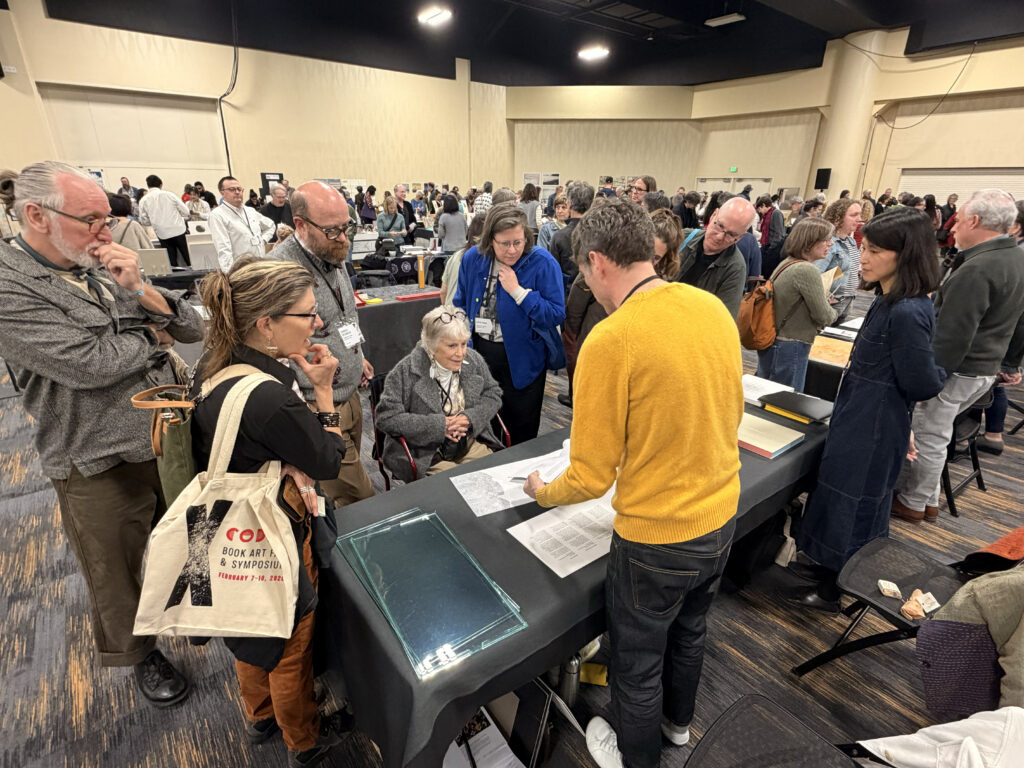
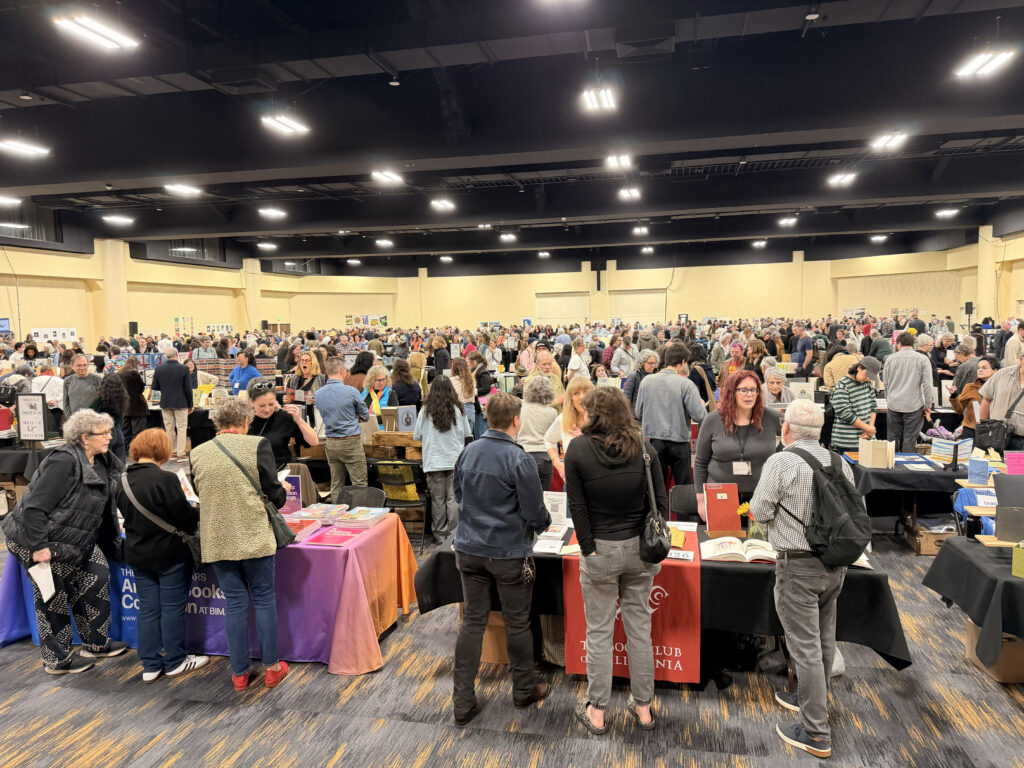
During the fair itself, BIMA and the Cynthia Sears Artists’ Book Collection hosted a table that became a lively gathering point throughout the event. While BIMA staff welcomed visitors and shared information about the museum and collection, Curator Erin Zona, Registrar Myrna Ougland, and collection founder Cynthia Sears made the rounds, engaging directly with artists and presses and selecting dozens of new titles to add to the collection.

Cynthia Sears and Erin Zona examining the work of artists in the main showroom at CODEX 2026 in Oakland, California.


Across the fair and symposium, we connected with hundreds of artists, collectors, scholars, and fellow institutions, exchanging ideas about process, materiality, and the evolving possibilities of artists’ books today and in the future. We were also delighted to see our dear friend Yuka Petz, host of BIMA’s video series Artists’ Books Unshelved, moderate a session at the Symposium too!

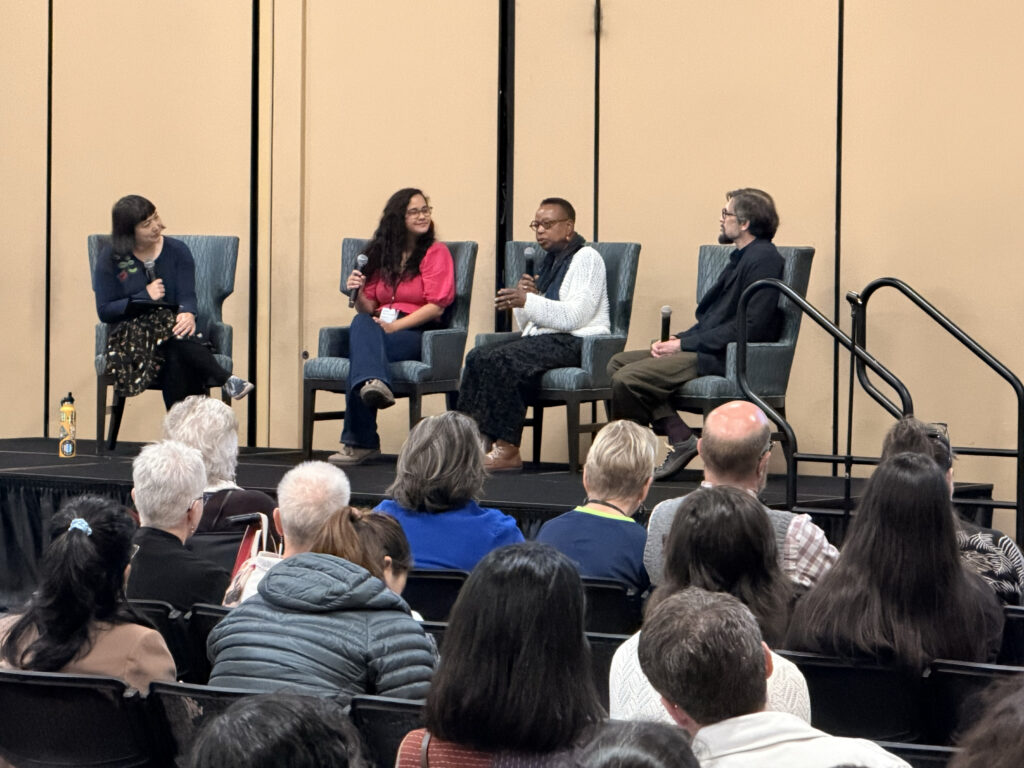
Yuka Petz interviews Jocmarys Viruet Feliciano, IBe Bulinda Crawley, and Tyler Starr during the Symposium at CODEX 2026 in Oakland, California.


Participating in CODEX was both energizing and affirming. It underscored the importance of artist’s books as a living art form and reinforced BIMA’s role as a steward, advocate, and connector within this vibrant field. We return inspired, grateful, and excited to share the many new works and relationships forged at CODEX with our community in the months ahead.

Learn about BIMA’s Artists’ Books Collection here.

Artists’ books everywhere! CODEX 2026 in Oakland, California, was a huge success and we enjoyed speaking with hundreds of fans of the art form and the museum.
A map of the US with images of people crafting throughout. Text says "Handwork: Celebrating American Craft 2026."

The Beginnings of Handwork 2026

Guest blog by Carol Sauvion

In the fall of 2021, during a conversation with Harriett Green at a virtual American Craft Council Board meeting, we had a moment to discuss the crafts and how to increase awareness of the history and the work being done in the present day. Harriett Green, an ACC Trustee, asked the group if anyone had heard of Year of American Craft, a national celebration that took place in 1993, when President and Mrs. Clinton took up President Bush’s Proclamation and became involved in the events for craft, beginning with the White House Collection of American Craft, an exhibition that opened at the White House in December of 1993 and traveled for several years. I replied to Harriett that I was familiar with Year of American Craft because we at Craft in America had done an archival segment on the topic for our Democracy episode. Harriett replied that we should have another Year of American Craft. I agreed!

After Harriett and I discussed a way forward, we decided to form a Planning Committee for a second Year of American Craft, which we thought would be a great initiative to celebrate our Semiquincentennial in 2026. We each invited three people to join the Planning Committee; Harriett chose three of the American Craft Council board; Lynn Pollard, Jean McLaughlin and a third person who had to leave the committee because of personal obligations. I chose three members of the Craft in America board: Lois Jecklin, Ann Pifer, and Consuelo Jimenez Underwood. Together, we organized an Announcement which contained the projects we hoped to put in place for the initiative.

More than four years have passed since that early beginning and many Handwork’s projects have become a reality! 

The latest Announcement for Handwork 2026 which lists over 270 Participants from throughout the US and Puerto Rico! “Handwork: Contemporary Craft from the Renwick Collection” installation will open at the Renwick Gallery of the Smithsonian American Art Museum in November 2026. It will include the 10 acquisitions that Handwork 2026 has secured for the Renwick. The Handwork 2026 website is up and filled with information from our Participants. Exhibitions are open or set to open this year. The Handwork book, Handwork: Handcrafted Objects that Made America, is set to be released in June of 2026. The education component has turned into a robust combination of education guides for K-12 students and an artist residency program in 10 colleges and universities. There is still much to complete and accomplish, but we are thrilled with our progress!

About Carol Sauvion

Carol Sauvion is the creator of the Peabody Award winning PBS series Craft in America. The documentary series celebrates American craft and the artists who bring it to life. She was also the Executive Director of the Craft in America non-profit organization which has the mission is to promote and advance original handcrafted work through educational programs in all media. Craft is Sauvion’s lifelong passion. For over 40 years she has been the director of Freehand, her Los Angeles gallery specializing in functional craft. Prior to opening Freehand, Sauvion was a professional potter for ten years. Sauvion has her degree in Art History from Manhattanville College in Purchase, New York. She has served on the boards of the Craft Emergency Relief Fund and the American Craft Council.
A purple background with white text that says "Let's Play SEA 26," and green icons of the Space Needle and a soccer pitch

From Fútbol to Ferries: 26 Seattle Must-Dos During the 2026 World Cup

Looking for what else to do between World Cup matches this summer in Seattle? While you recover from shouting GOOAAL at the world’s biggest football games, there’s endless possibilities to relax, explore, and learn right here in the Emerald City. 


  1. Ferry for a day trip to BI and BIMA
    Take the scenic Seattle-Bainbridge Island ferry to see different one-of-a-kind views of the skyline and Puget Sound, and spend a day exploring Bainbridge, including the Bainbridge Island Museum of Art where admission is always free! See what else to do on Bainbridge here. Learn more about visiting BIMA here! (Español | Português Brasileiro | Deutsch)
  2. Meet the Fremont Troll
    Enjoy Seattle’s quirky Fremont neighborhood and snap a photo with the famous Fremont Troll.
  3. Visit Pike Place Market
    Watch the fish throwers, sample local foods, and browse artisan stalls at one of the liveliest Seattle spots.
  4. Float alongside whales with a whale-watching tour
    Spot orcas and humpbacks from on a guided tour across Puget Sound, leaving right from the Seattle waterfront.
  5. Take in the view from the Space Needle
    Ride to the top of Seattle’s most iconic symbol, the Space Needle, for 360 degree views of Seattle, Elliott Bay, and the mountains.
  6. See a performance at Pacific Northwest Ballet or Seattle Symphony
    Attend a world-class show at Pacific Northwest Ballet or enjoy live music from the Seattle Symphony.
  7. Be inspired at the Olympic Sculpture Park
    Stroll Seattle’s waterfront and explore a collection of monumental sculptures.
  8. Learn at the Burke Museum of Natural History & Culture
    Expand your knowledge of Seattle and the Pacific Northwest at the University of Washington’s Burke Museum.
  9. Brewery hop in Ballard
    Taste your way through Seattle’s Ballard neighborhood, famous for their brewery district, with more than a dozen taprooms.
  10. Fly high on the Seattle Great Wheel on the waterfront
    Get sky-high panoramic waterfront views from the Seattle Great Wheel on Pier 57.
  11. See marine life at the Seattle Aquarium
    Right on the waterfront at Pier 59, dive into the marine life of the surrounding region and beyond with otters, octopuses, touch-tanks and more.
  12. Play at Gas Works Park
    Have a picnic, fly a kite, or explore this one-of-a-kind park that was converted from the former Seattle Gas Light Company gasification plant.
  13. Be blown away at the Chihuly Garden and Glass
    Explore the work of one of the world’s foremost glass artists, Dale Chihuly, at this museum near the Space Needle.
  14. Ride the Burke-Gilman Trail
    Rent a bike and cruise along Seattle’s top scenic bike route, the Burke-Gilman Trail.
  15. Seattle Public Library Central Library
    Tour the architecturally stunning, 11-story landmark that is the Central Library.
  16. Stroll through Washington Park Arboretum
    Find peaceful gardens, wetlands, and seasonable blooms at the lush Arboretum.
  17. Relax at Smith Tower Observation Deck
    Head to the Observation Deck for Prohibition-style cocktails and skyline views from Seattle’s first skyscraper.
  18. Alki beach
    Get a view of the sunset against the Seattle skyline while walking, biking, or beachcombing at Alki Beach in West Seattle.
  19. Kayak or paddleboard on Lake Union
    Get up close and personal with the waters of Seattle by renting a kayak or paddleboard.
  20. Kerry Park
    Get the best picture-perfect views of downtown Seattle and the Space Needle at this park nestled in the Queen Anne neighborhood
  21. Go deep with an Underground Tour
    Explore Seattle’s hidden history on the Underground Tour in Pioneer Square.
  22. Wander Discovery Park
    Immerse yourself in nature at the 600-acre Discovery Park–don’t forget to visit the Lighthouse!
  23. Discover historic Pioneer Square
    Seattle’s oldest neighborhood is full of historic architecture, boutiques, and galleries.
  24. Take a selfie at the Gum Wall
    Visit Seattle’s colorful Gum Wall in Post Alley and take a selfie… and leave your own chewed piece at the collection!
  25. Ride a Hot Tub Boat on Lake Union
    Kick back with a view at one of Seattle’s most unique adventures, a Hot Tub Boat!
  26. Spark curiosity at the Pacific Science Center
    Perfect for kids and adults alike, enjoy an immersive learning experience at this museum right in the heart of downtown Seattle.

We are thrilled to have you here in Seattle for the 2026 World Cup! If your travels bring you here to BIMA, don’t forget to snap a photo and tag us @bimuseum.of.art on Instagram. Explore art, local culture, and the best of Seattle and Bainbridge Island while you’re here!


Soccer | Belgium | Egypt | USA | Australia | Qatar | Iran | Free things to do Seattle | Seattle attractions | Seattle travel tips | Football | Fútbol

A map of the US with images of people crafting throughout. Text says "Handwork: Celebrating American Craft 2026."

Connected by Craft: A look at Handwork 2026 at BIMA

As you may have heard by now, BIMA is taking part in the national initiative, Handwork: Celebrating American Craft 2026! This celebration of craft in honor of the Semiquincentennial of the United States is led by Craft in America and features over 250 participating organizations. 

The decision to join Handwork 2026 was an easy and exciting one for us at BIMA. The handmade spans countless methods, each with deep roots that we will explore throughout the year. Not only will we be honoring the storied legacy of handwork in America, but we will be uplifting craft today and artists who are bringing the handmade into its next evolution. For the first time at BIMA, we are linking the majority of our 2026 exhibitions together under one theme: Connected By Craft

We chose this theme because the handmade has the ability to not only connect individuals to one another, but to connect communities, generations, and histories unlike any other art form. Handmade traditions lie at the heart of many cultures, whether it’s brought to the U.S. from elsewhere to honor one’s home or organically grown from the cross-cultural influences that abound in America. It’s this diversity and power of craft that we are thrilled to celebrate and share with you next year. 

Learn more about Handwork 2026 at BIMA here and learn about the national initiative, including other participating organizations, on the Handwork 2026 website

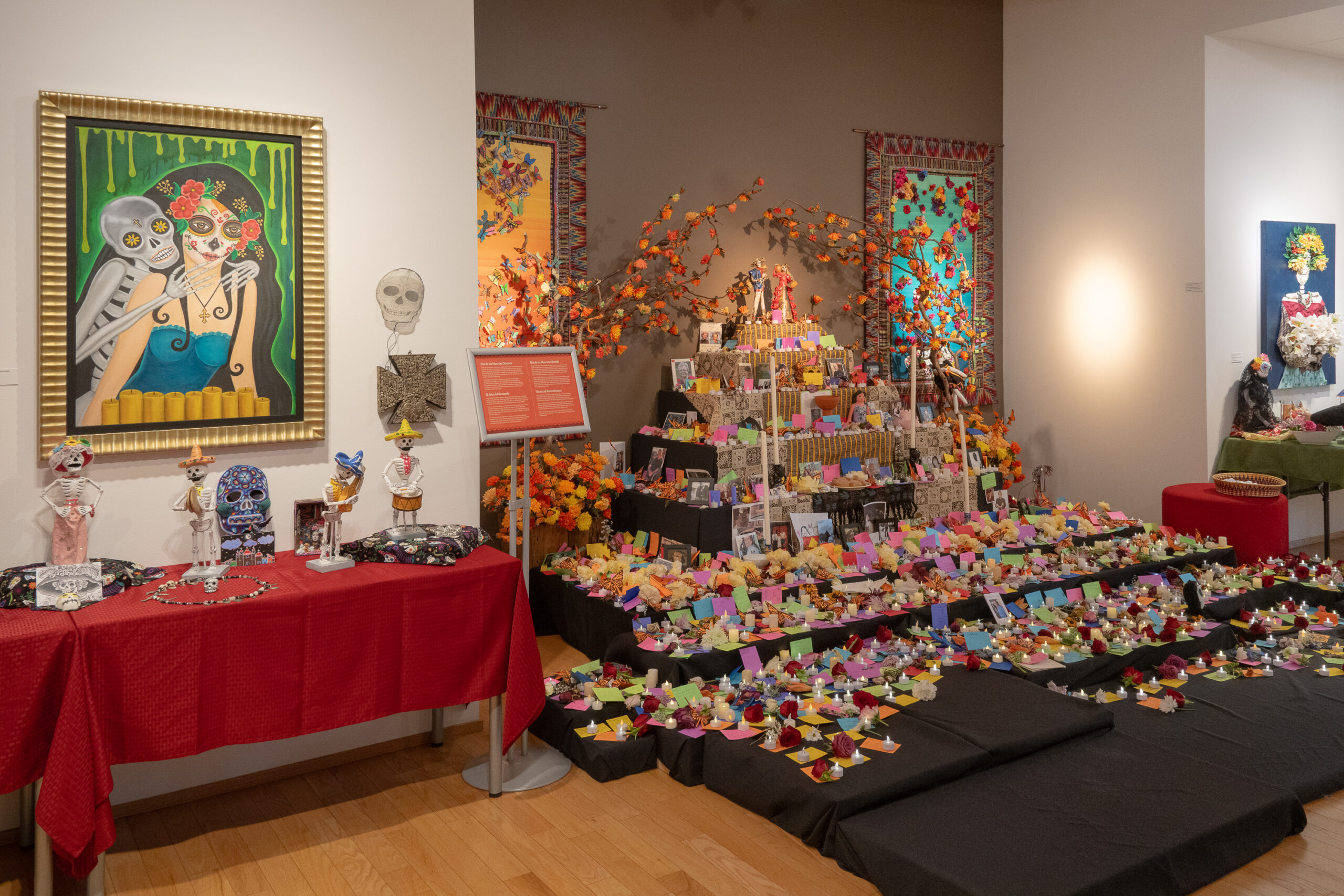
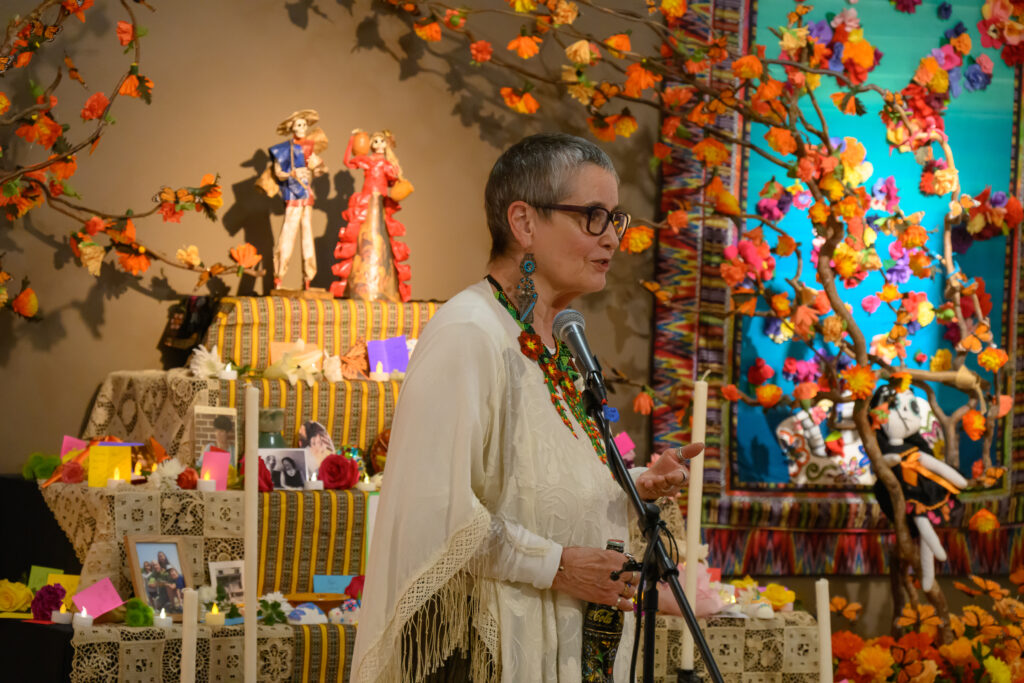
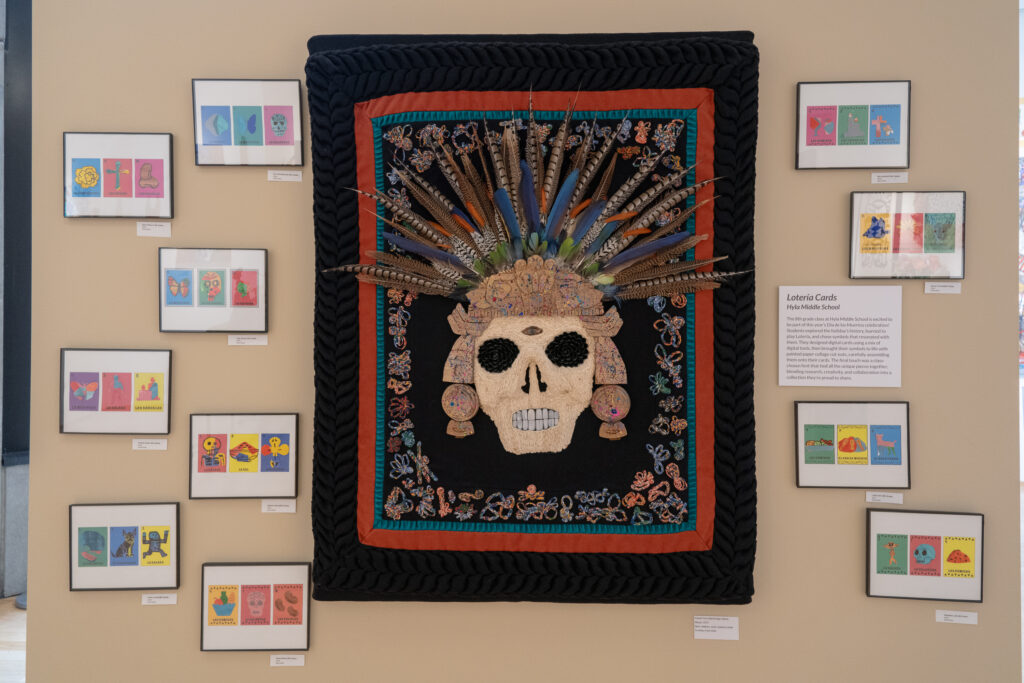
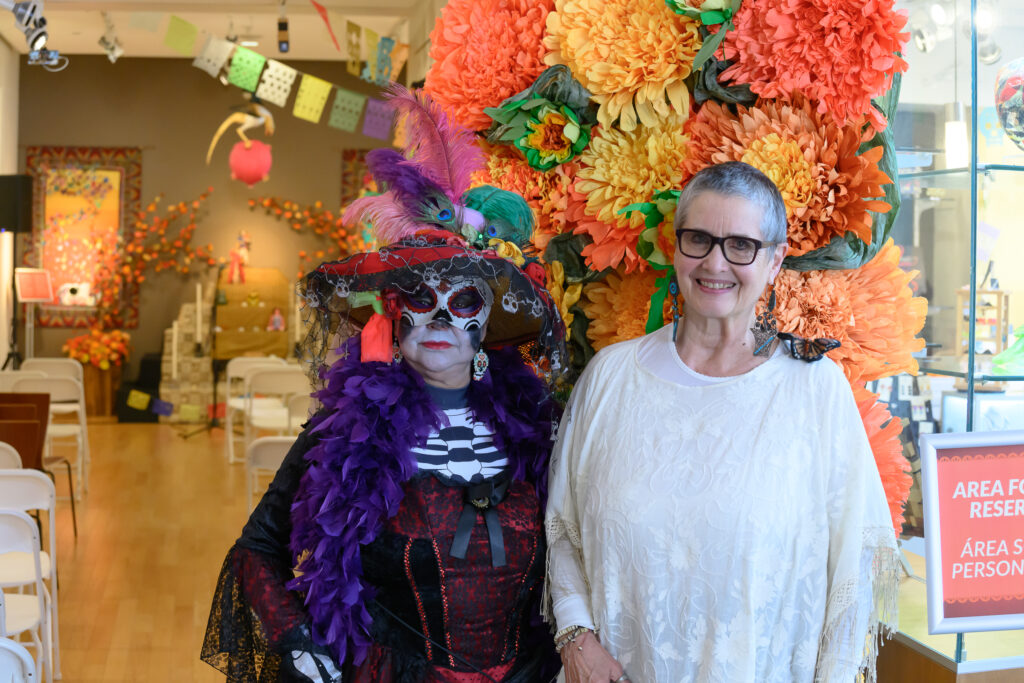
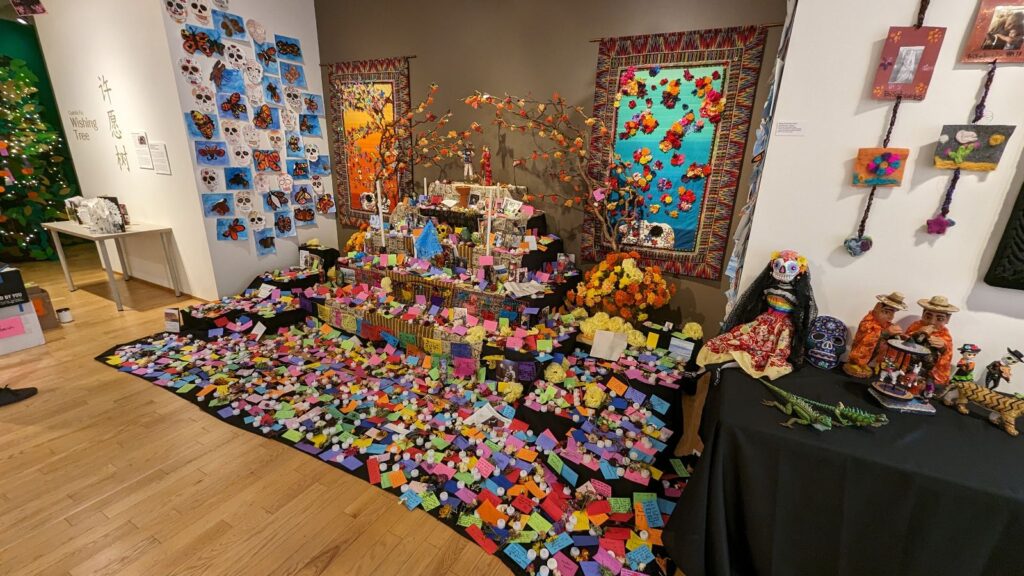
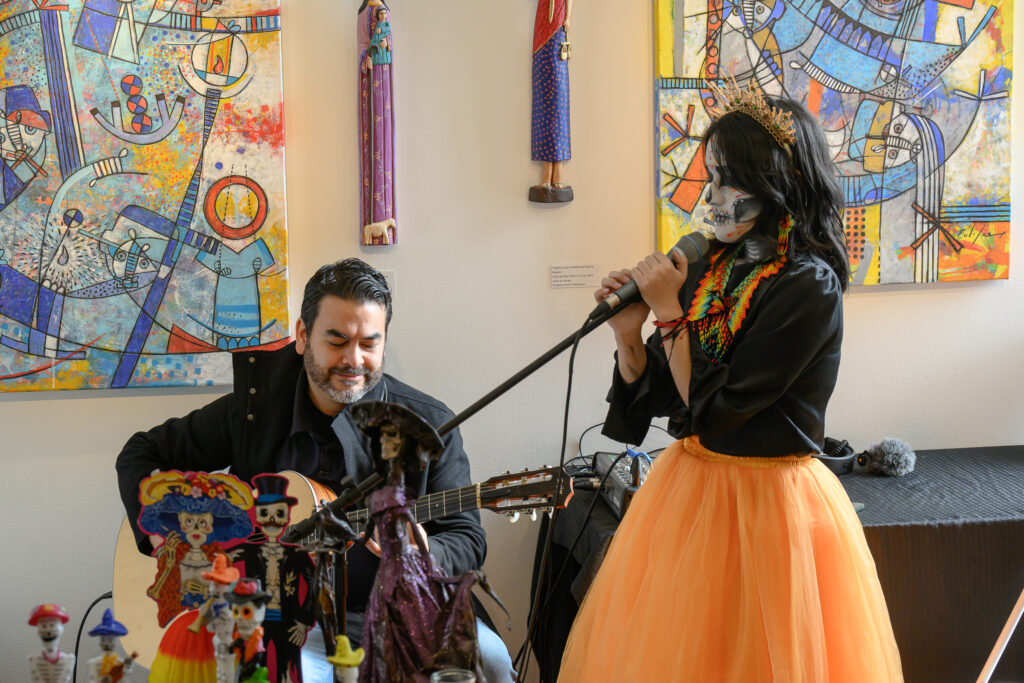
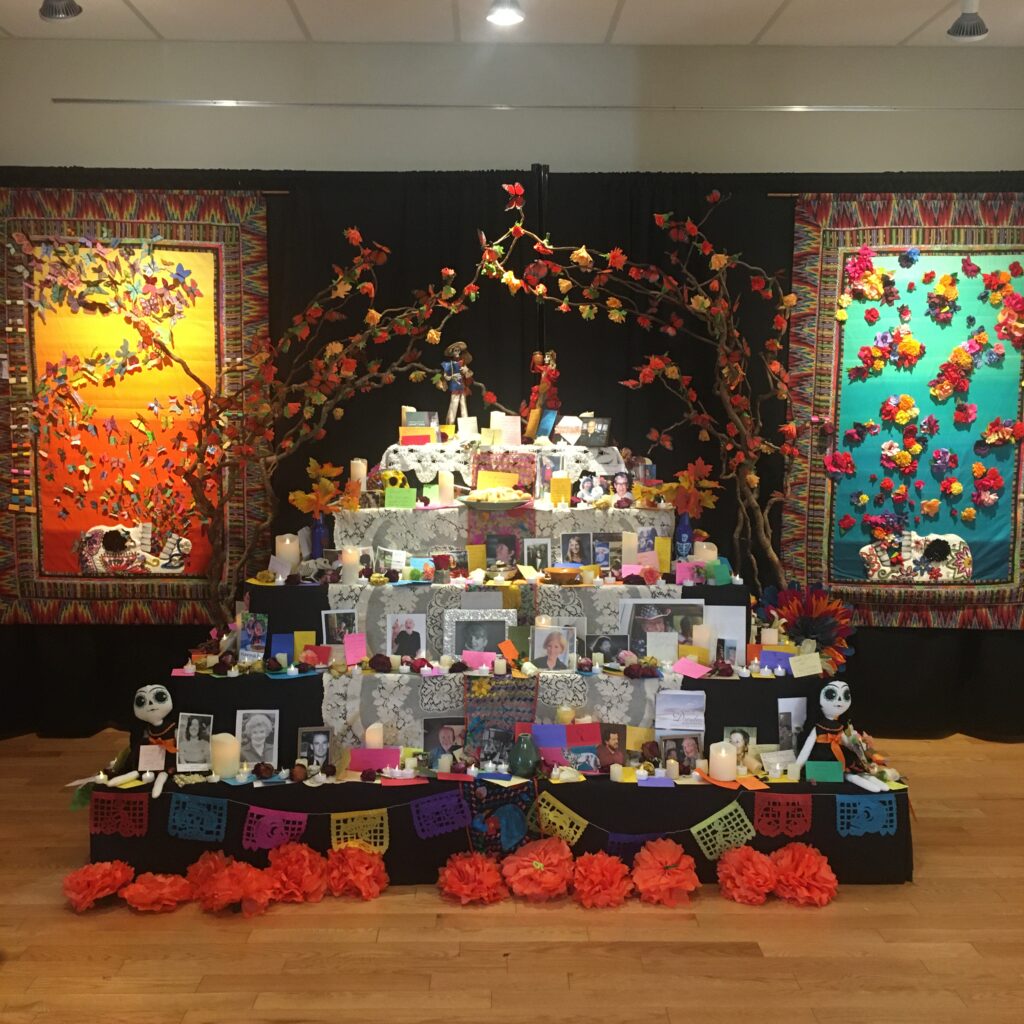
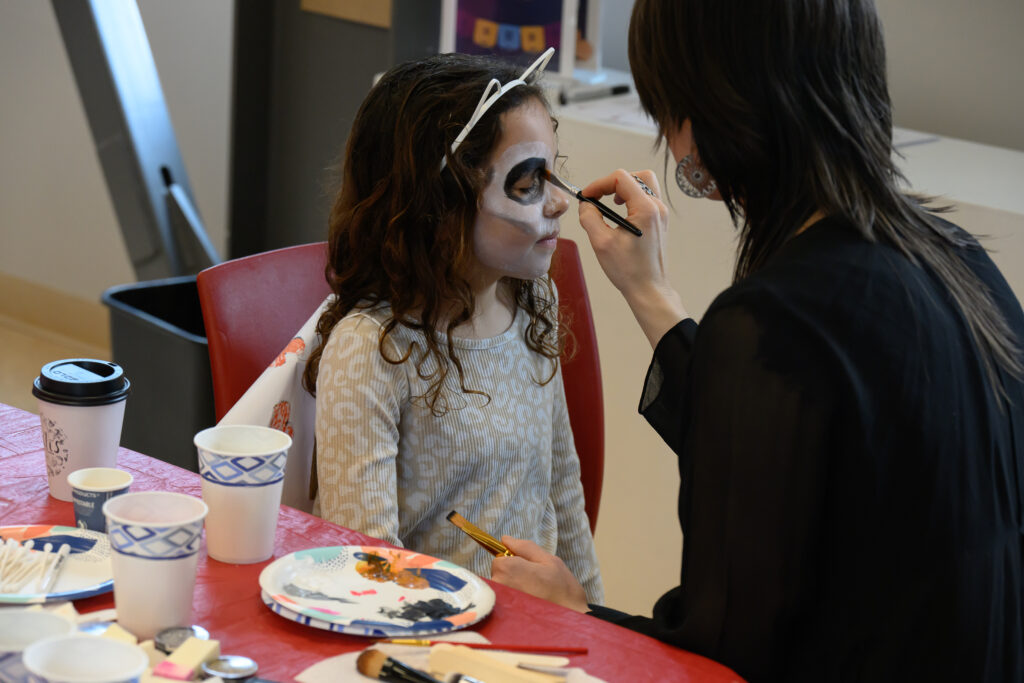
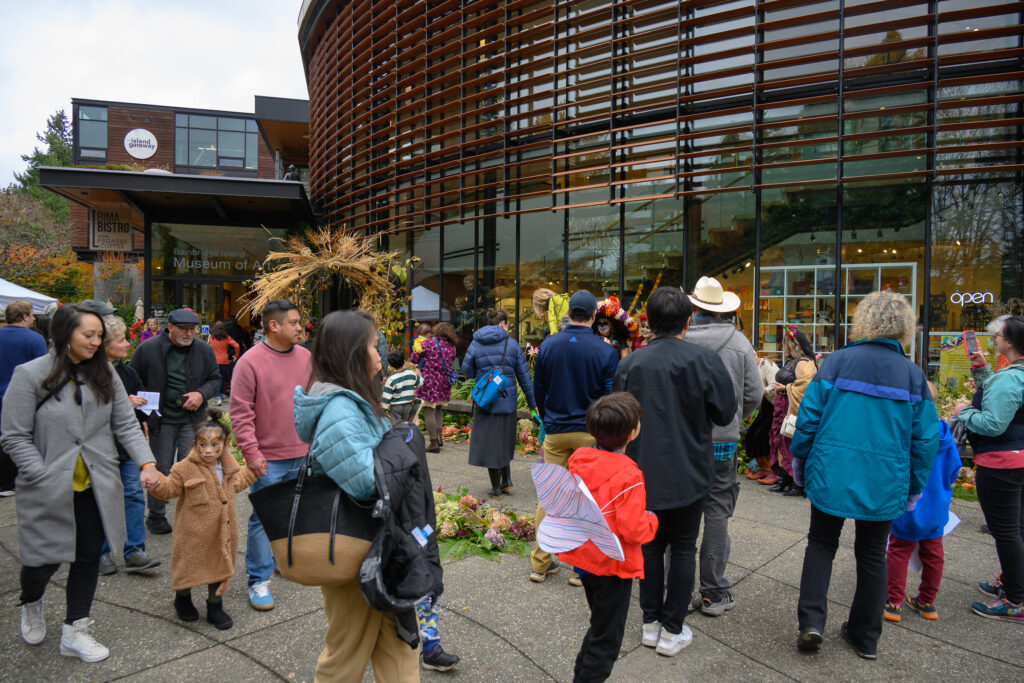
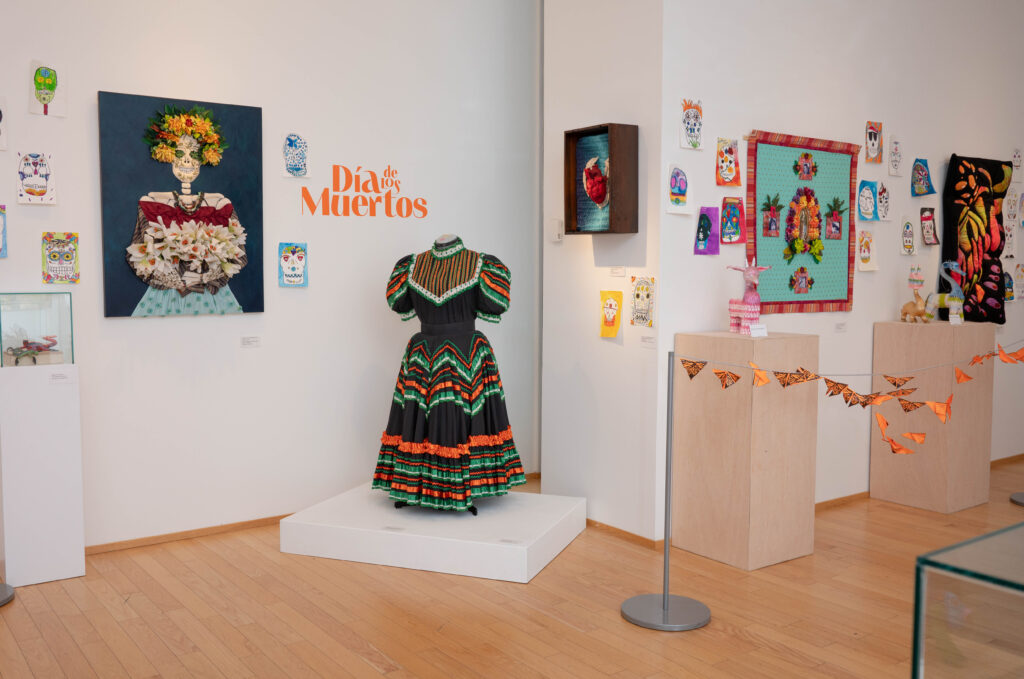
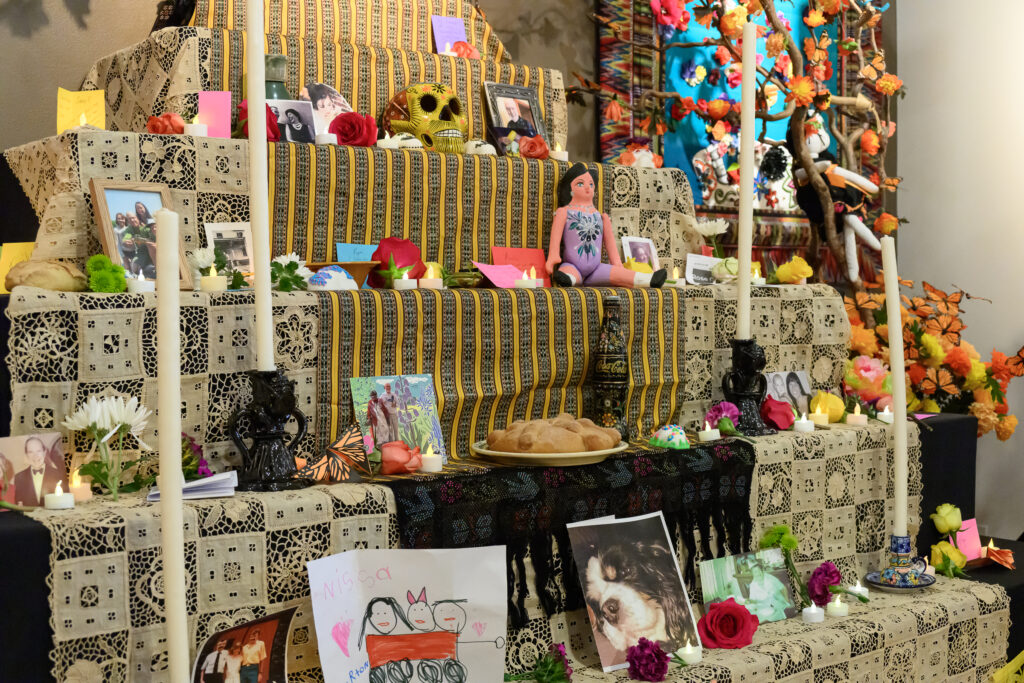
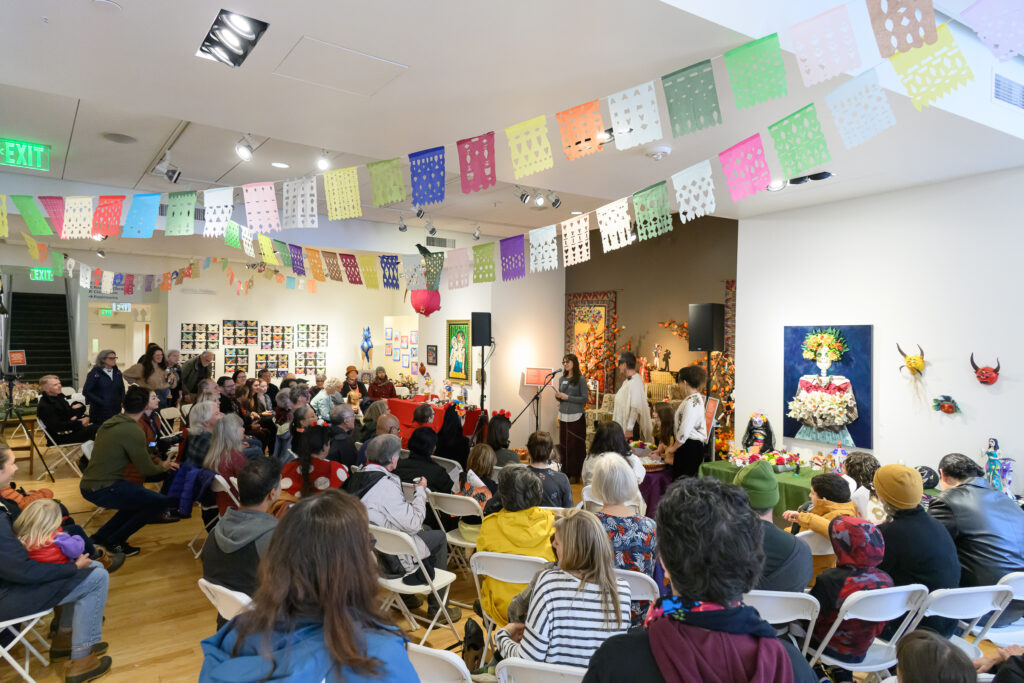
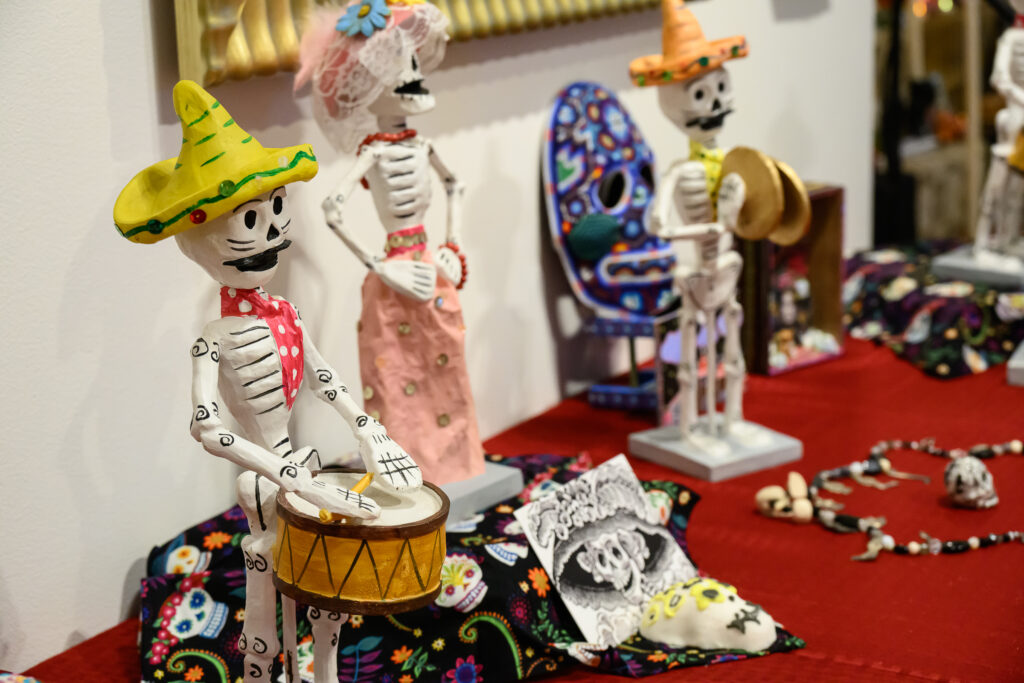
How a Día de los Muertos Tradition Started at Bainbridge Island Museum of Art

We are excited to share this guest blog by Alice Mendoza, who was a driving force behind BIMA’s now annual Día de los Muertos celebrations! 

It was 1992. I had just joined the Wilkes Elementary 3rd grade teaching team, where the Social Studies focus was on Pacific Rim countries. 

I was thrilled to discover that very little curriculum was available, leaving it up to me to create my own, based on the District standards/framework provided. 

I had moved to Bainbridge Island with my then 6th and 9th grade sons in 1990, after having taught for 6 years at UCLA’S Laboratory Elementary School (UES), where hands-on, integrated learning was the bedrock of our philosophy. I welcomed the opportunity to create meaningful learning opportunities for my students that would also open their eyes to the bigger world around them.

As a member of the BISD Multicultural Lead Teachers Committee, I sought ways to introduce my students to other cultures, so this was very exciting for me!

During our annual Fall parent conferences, Mario’s mother, Magali Duarte, who also happened to be my son Tom’s 9th grade Spanish teacher, offered to lend me a video that she showed her students each year about an authentic Día de los Muertos (DDLM) celebration in Oaxaca. I was in the process of creating a study of Mexico, so I was intrigued. 

However, her students were 9th graders, mine were 8/9 year olds. Would they be engaged?

The time had come. I had told my students very little about Día de los Muertos, only that we would be traveling to a rural village in Oaxaca to learn about a very important cultural celebration.

The video started.

25 minutes later it concluded. No one said a word. 

A hand went up.

“Yes, Adam?” I asked.

“Ms. Mendoza, I think we should have our own DDLM celebration,” he responded.

(I get goose bumps typing this)

What?!

The classroom erupted with enthusiastic support.

Not only that, they also insisted on watching it again, so they could take notes on what they would need for our ceremony!

This had not been in my lesson plan, which was perfect–they were learning by doing!

So every year, until I retired in 2014, I showed my 3rd graders this historic video and every year they recommitted to carrying on the tradition.

Cynthia Sears, the founder of BIMA, became and remains one of my dearest friends after showing up in the Wilkes Elementary hallway to congratulate me for being chosen as one of two Island Treasures that year (2007). She often attended our classroom DDLM celebrations.

When I retired in 2014, the year BIMA opened, Cynthia took me out to lunch and asked me to bring the DDLM celebration she had experienced over the years in my 3rd grade classroom to the museum for the wider community to experience.

What?!

I looked into her eyes and told her, “Yes! Let’s make this happen!” 

But I had a brainstorm as Araceli Cruz immediately came to mind. I had had her daughter, Trinity, in my 3rd grade class at Ordway Elementary, just a year before. Araceli, being of Mexican American ancestry and a brilliantly talented artist, basically lived in my classroom during our annual preparation for DDLM. She enriched our study in such a natural and authentic way that she just had to be on my team to bring DDLM to our greater community.

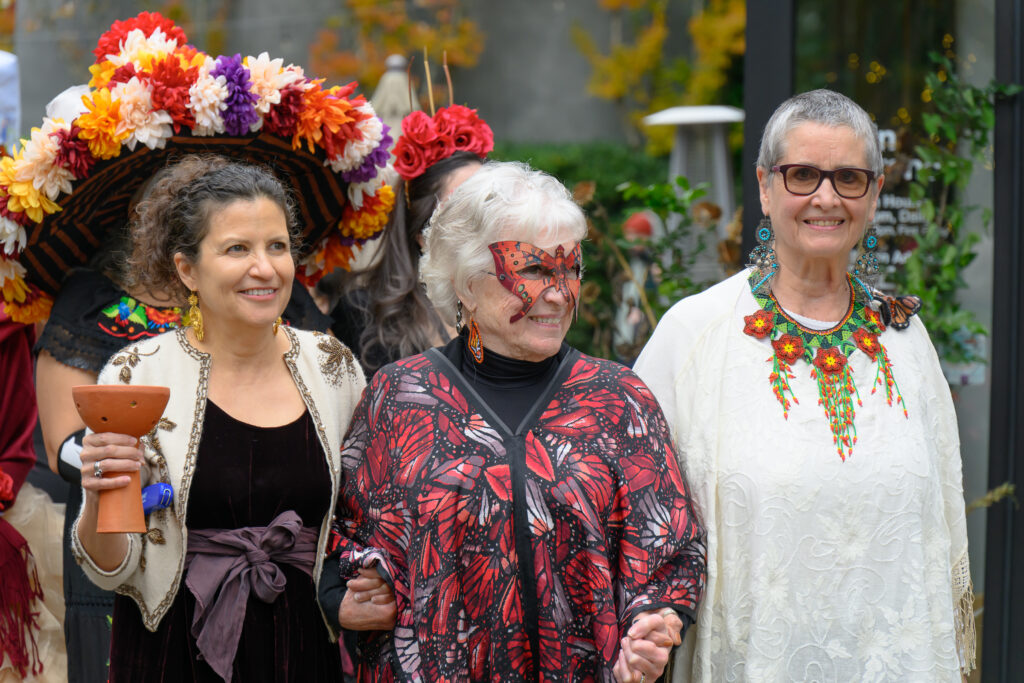
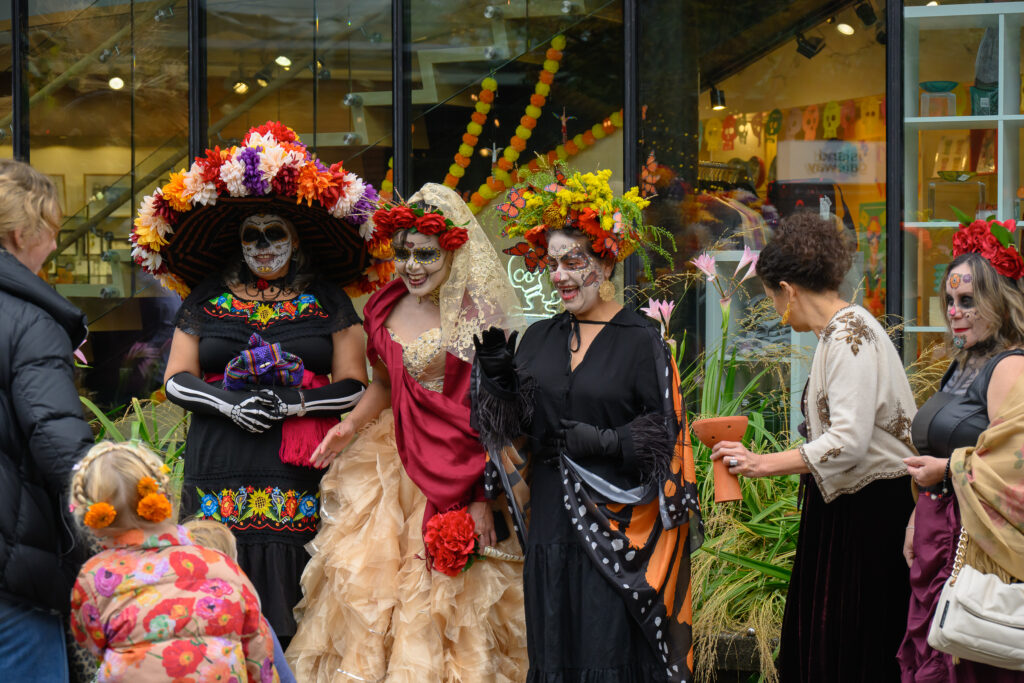
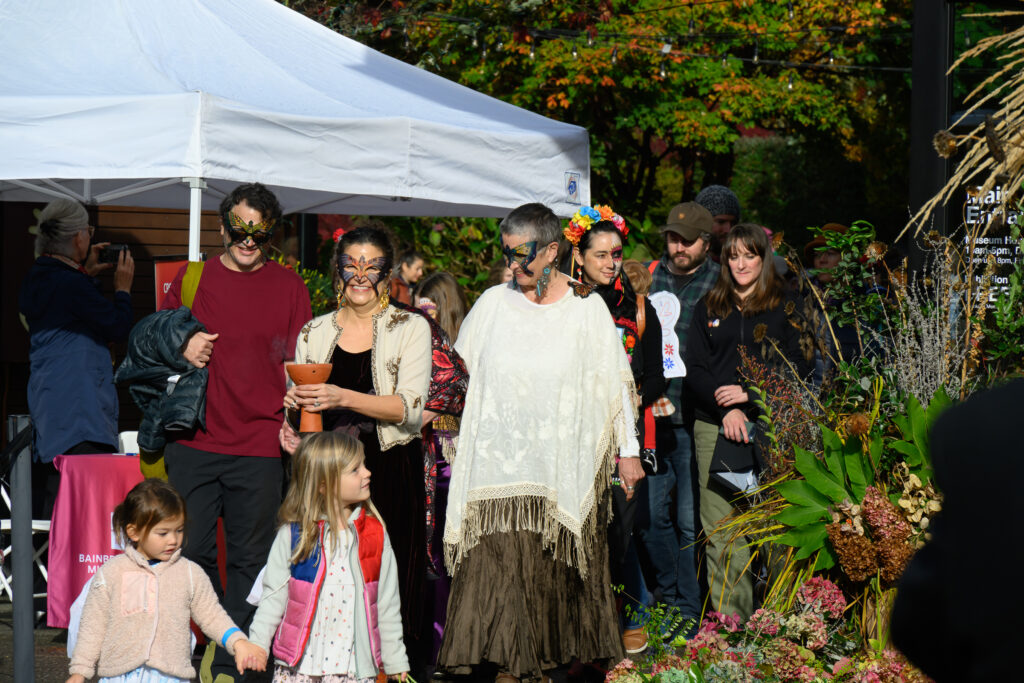
Three women walk in a procession for Dia de los Muertos.So there we were. Cynthia, Araceli, and I, embarking on this wonderful journey to enable our community to experience the cycle of life through another cultural lens, welcoming the spirit of loved ones home for a visit, on the wings of butterflies. 

Notes:

Magali Duarte who lent me the film that started it all has been our fabulous Catrina (the elegant skeleton figure that is a symbol of DDLM) during BIMA’s DDLM processional since the beginning of the celebrations.

Adam Folley, the student who raised his hand in third grade, was our realtor last year when we sold our Bainbridge home and moved to Poulsbo.

My son, Tom Neal, teaches Spanish at Hyla High School, encouraging his students’ involvement in BIMA’s DDLM each year. 

2025 BRAVA Awards: Celebrating Artists and the Light They Bring

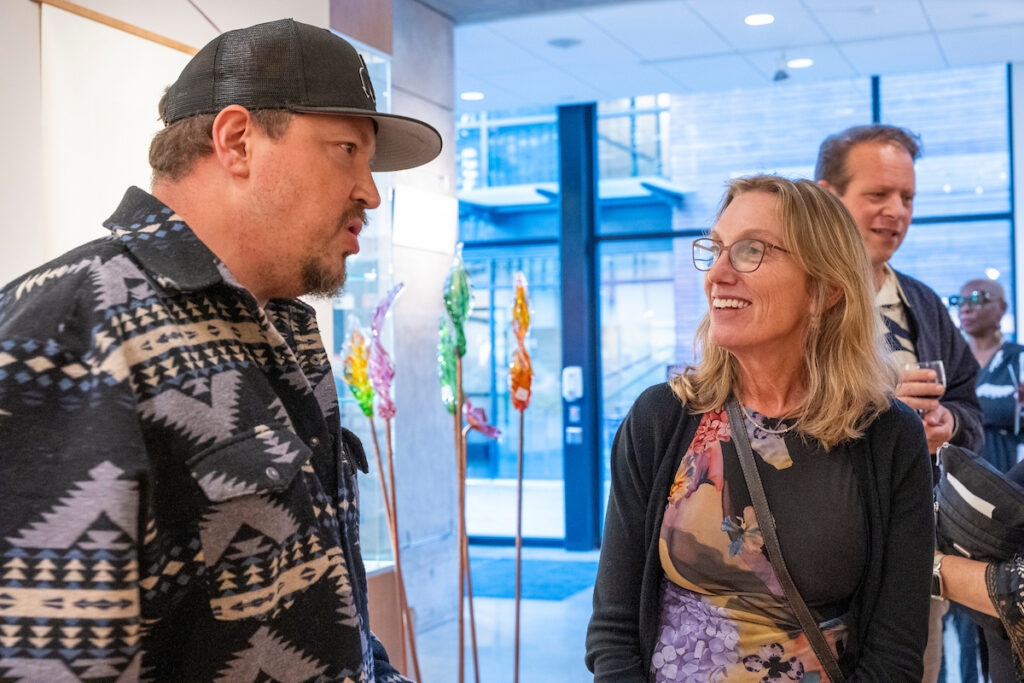
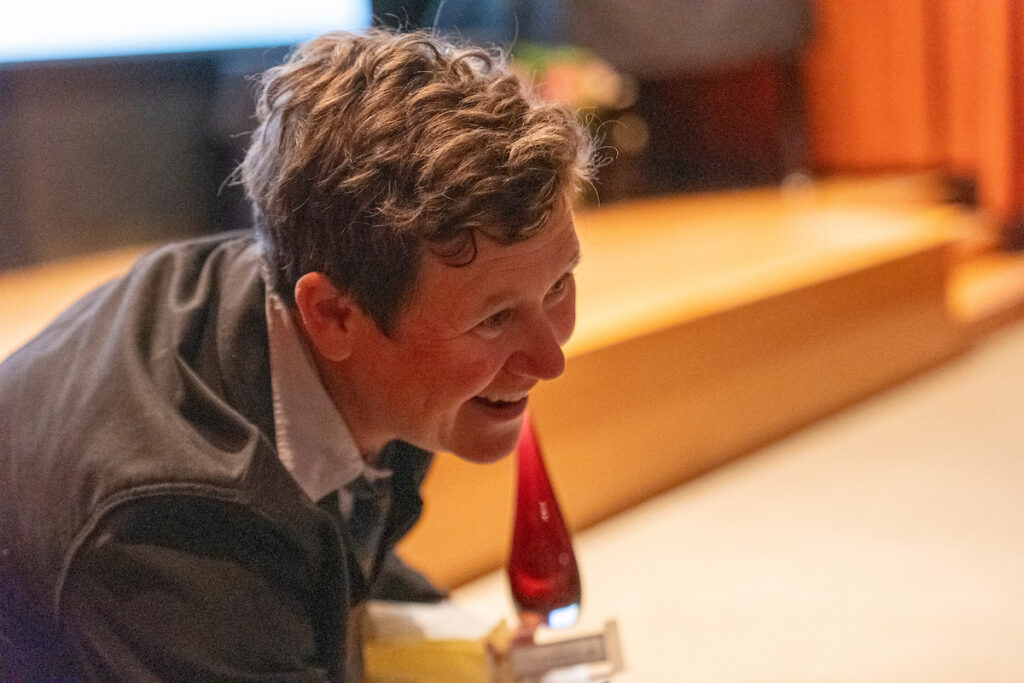
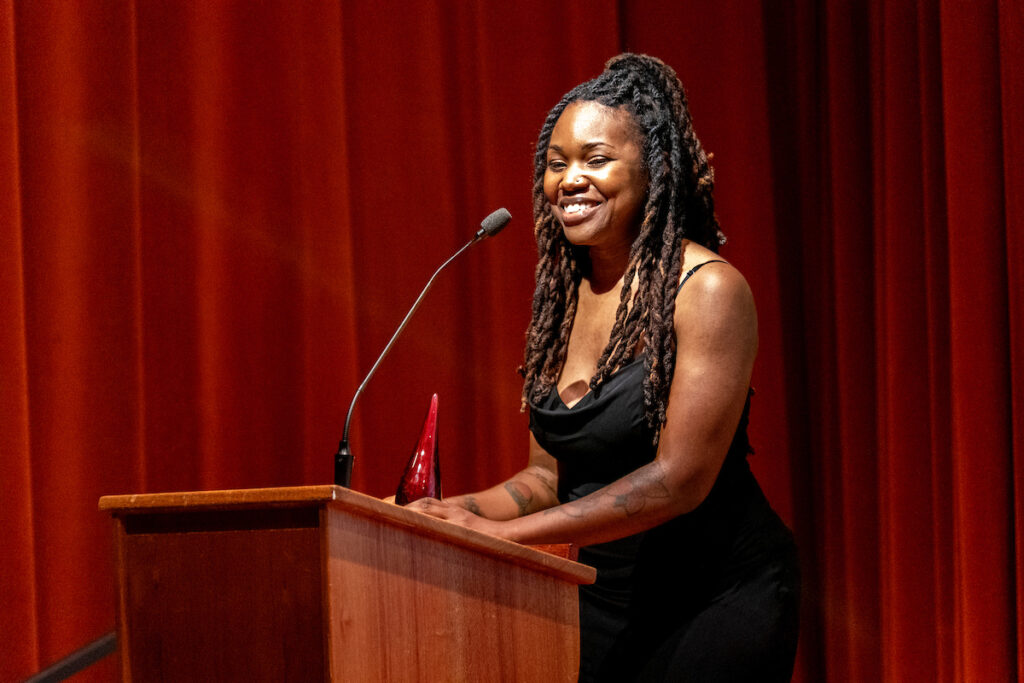
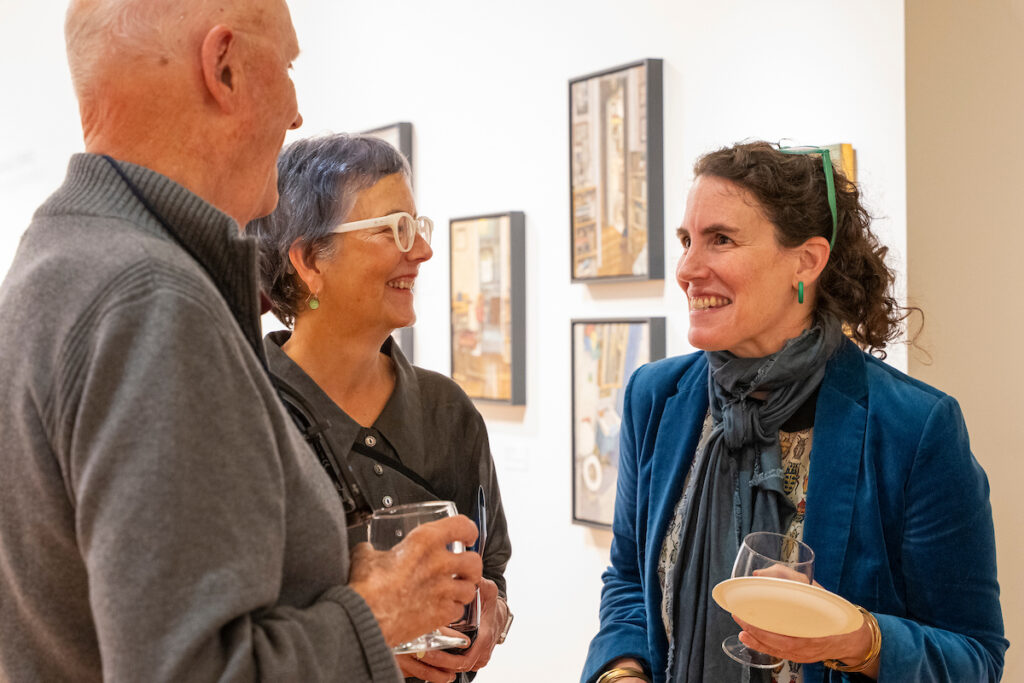
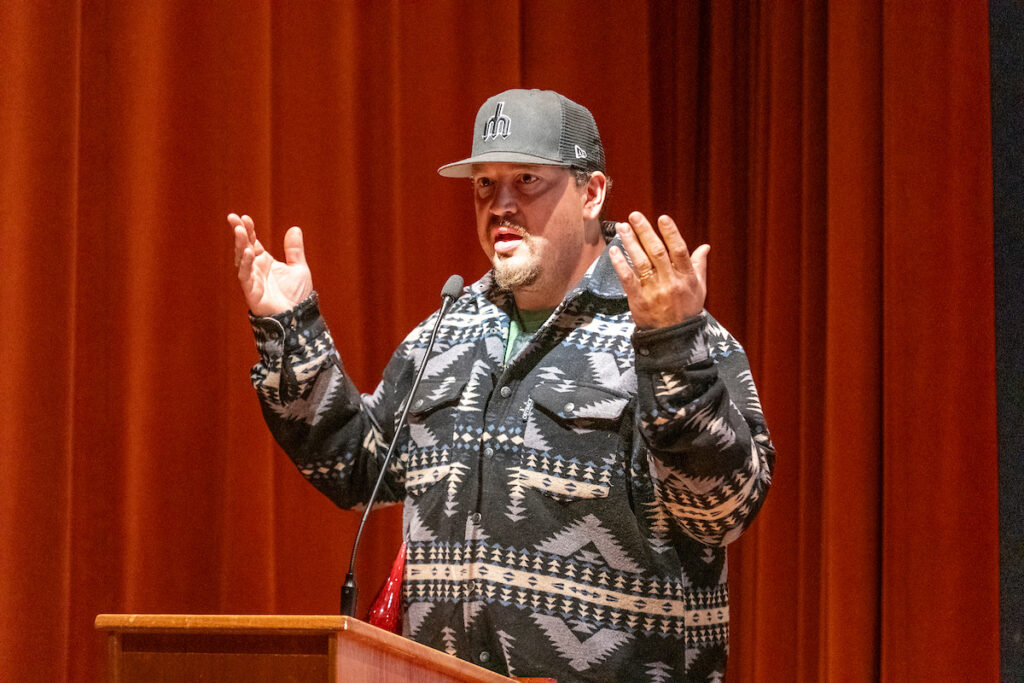
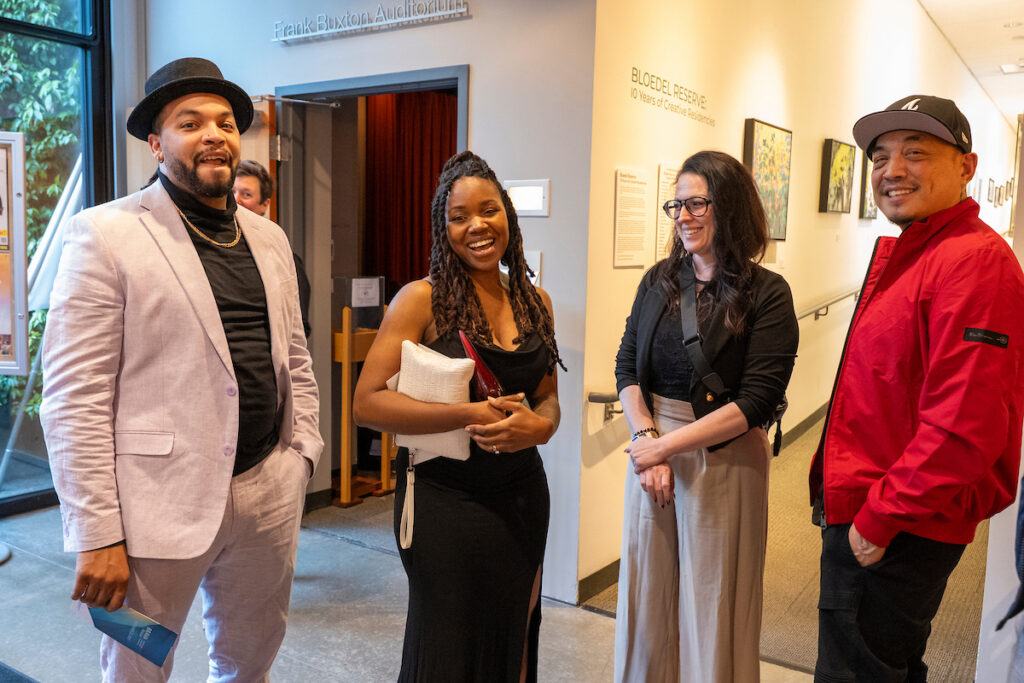
There’s a magic to the BRAVA Awards that goes beyond recognition. It’s about pausing to witness the brilliance of artists who illuminate the world, even when it can feel heavy or uncertain. This year’s ceremony was a celebration of that light, a reminder of why BIMA exists to support creativity and give artists room to thrive.

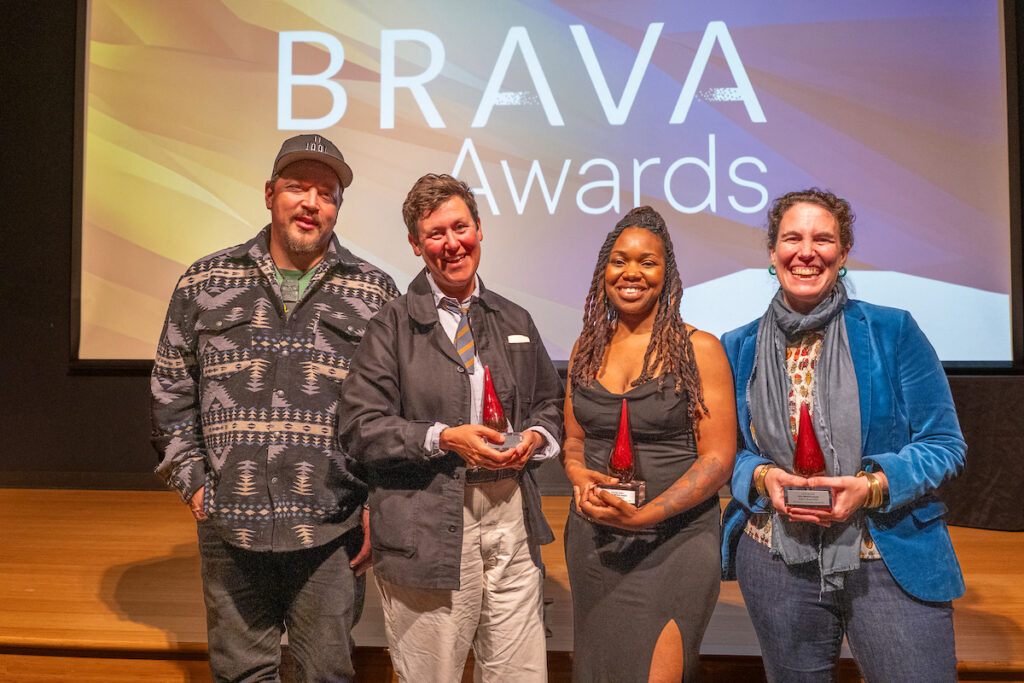
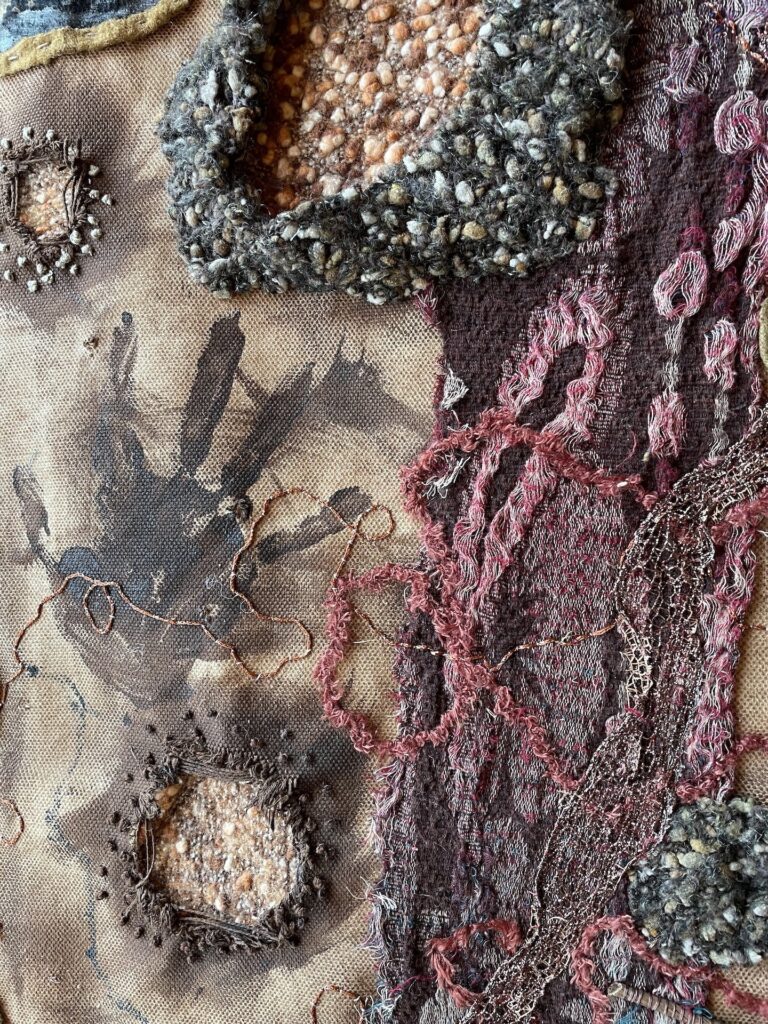
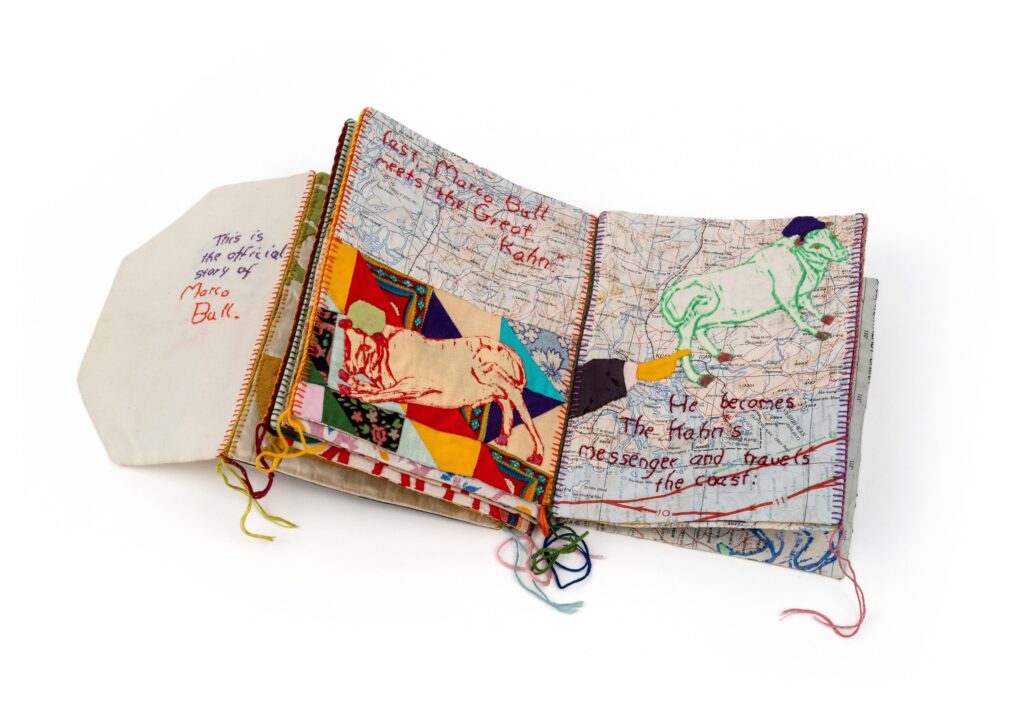
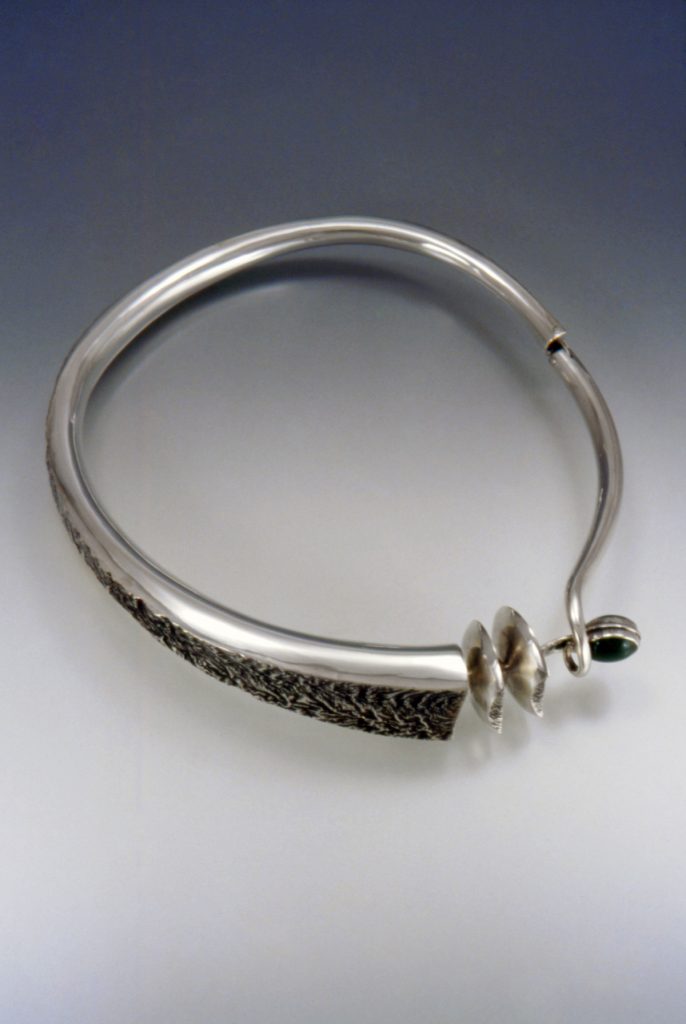
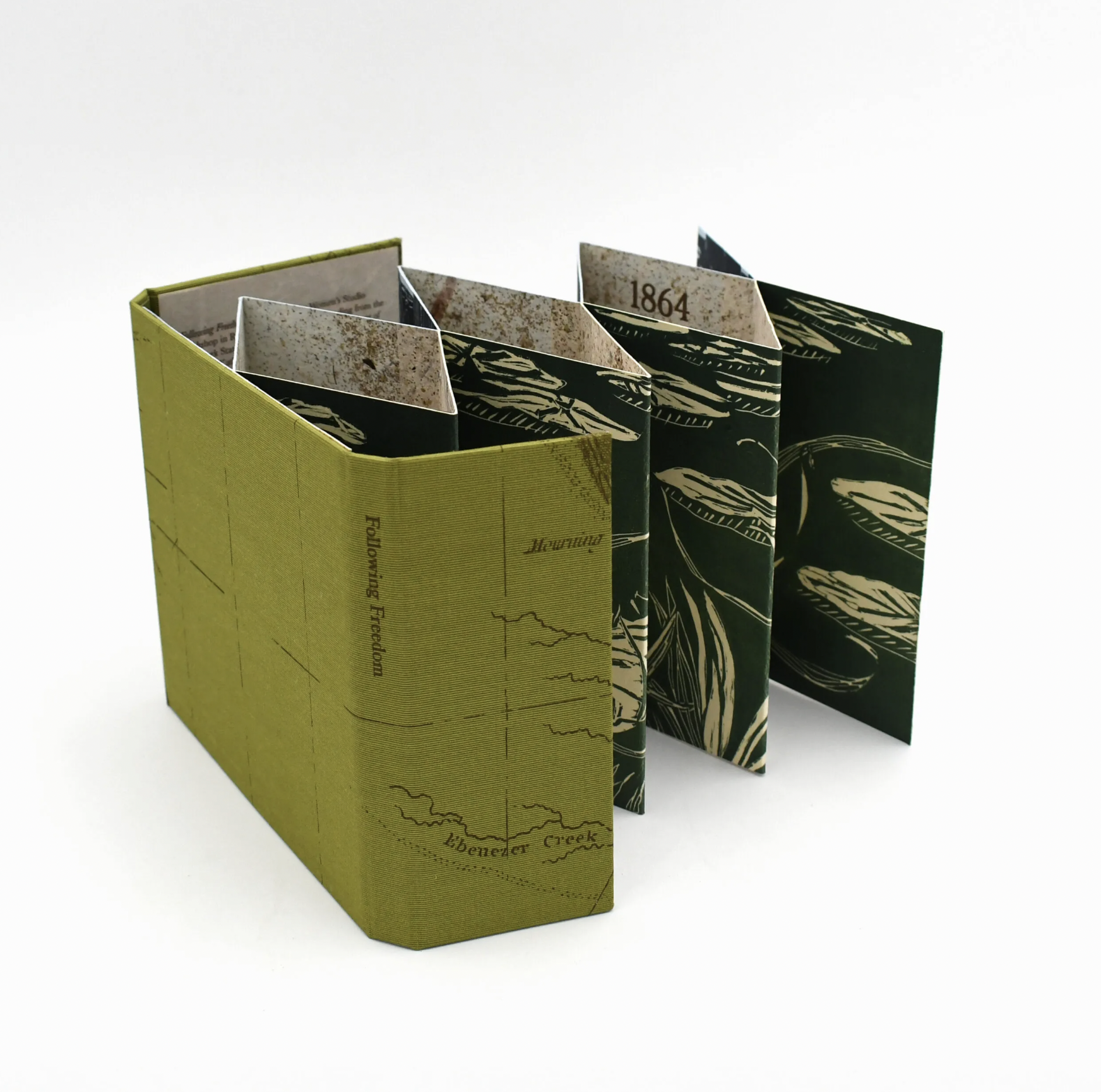
We honored four remarkable artists: Sarah Bryant, winner of the Artists’ Books Artist Award (United States); Dan Friday, recipient of the Native American & First Nations Artist Award (Salish Sea Region); Yolanda Galery, winner of the Emerging Artist Award (Puget Sound Region); and Nikki McClure, recipient of the 2025 Special Choice Category: Children’s Book Illustrator Award (Puget Sound Region). Each brought a unique perspective to their work—Sarah with her thoughtful book arts; Dan, weaving ancestral imagery into glass; Yolanda, celebrating identity and expression through vibrant paintings; and Nikki, whose delicate paper-cut illustrations connect children to wonder and the natural world.

©2025 Keith Brofsky

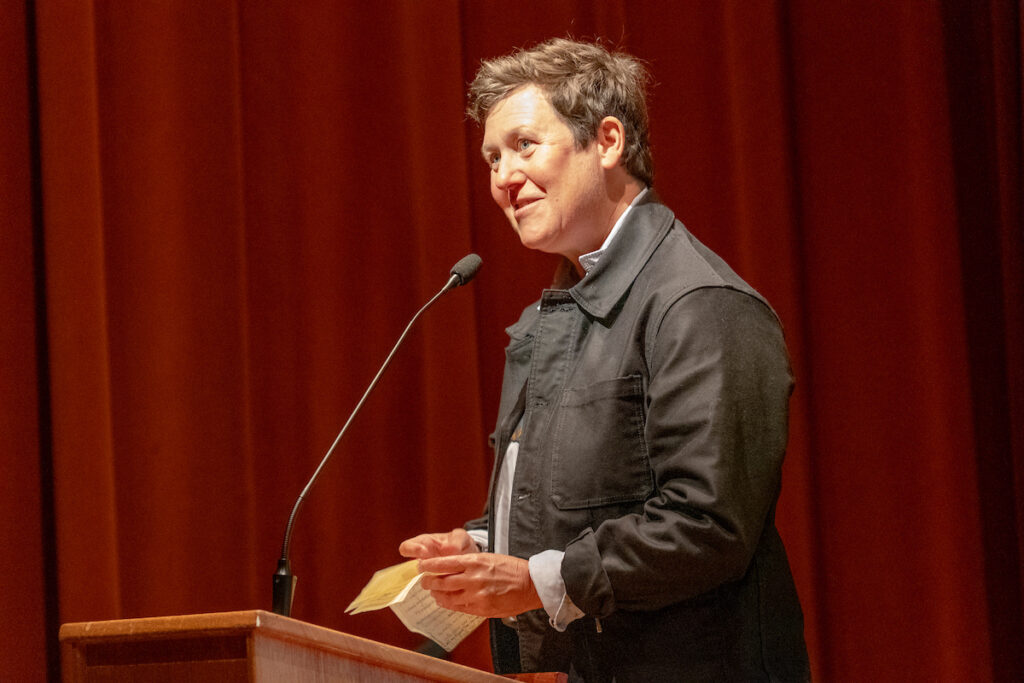
Throughout the evening, we reflected on the state of the art world and the challenges artists face. BIMA Executive Director, Sheila Hughes, reminded us of the importance of cultivating hope: “Artists see and interpret this complicated world for us. They cultivate our hope. And in the struggle against apathy and cynicism…things that shut down our world and make it smaller, they open the world back up for us with ideas, perspectives and expressions. They call us into inquiry. But at BIMA, we understand that we are downstream on this cultural river, and that further upstream, the artists themselves are experiencing their livelihoods being threatened, disrespected, disrupted…I know this all sounds quite dark, but there are lights in this world, from candles and flashlights, to bioluminescence and exploding stars, and this program and this museum are among them. BIMA and BRAVA Awards can’t replace the IMLS, and they can’t set the Kennedy Center back on their track, but we can be a light on the path for artists who are interested in cultivating hope. And in this case, four artists, who each have something very important and very beautiful to share with us. We can add our light to the sum of light.”

The evening also featured BRAVA Award films by Tony Hannawacker, centered on each winner and offering an intimate look into their inspirations, processes, and stories. Watching these films reminded everyone present why art matters—it connects, challenges, and uplifts us. See below to watch these amazing films!

©2025 Keith Brofsky

The celebration concluded with Nikki McClure, the last award winner to be honored, sharing her encouragement: “Keep making, believe that you can make, know that you can make, and know that you will make. And we are here today to celebrate, and we’re going to support this creative work. These people working towards illuminating joy… working towards showing people wonder, and creating unity, creating community. So tomorrow, what are we going to do tomorrow? I say we just keep doing this. Let’s find somebody to lift up, let’s find someone to encourage, let’s find someone to support…you have a whole community behind you, and they are all saying: ‘More, more, please, we need you!’…”

And with that, Nikki shouted: BRAVA!!

Congratulations to the 2025 BRAVA Award winners, and thank you for continuing to be a beacon of light in this world. We are honored to stand beside you and champion your work.

BIMA Presents: 2025 BRAVA Awards

Sarah Bryant – Artists’ Books Artist Award (United States)

Dan Friday – Native American & First Nations Artist Award (Salish Sea Region)

Yolanda Galery – Emerging Artist Award (Puget Sound Region)

Nikki McClure – Children’s Book Illustrator Award (Puget Sound Region)